
Choosing the right magnetic snap is only part of a reliable installation. The fixing structure, material layers, setting tools and matching dies must work together.
This resource hub helps bag manufacturers, leather goods factories and product development teams navigate Richarms’ installation guides, compare tooling options and prepare the information needed for sample approval.
If you need step-by-step installation checks, use the existing Magnetic Snap Installation Guide. That guide remains the teaching page for how magnetic snaps are installed and what to inspect before setting. This hub is the factory entry for structure choice, tooling compatibility and sample approval.
Request a Tooling Compatibility Review View the tooling catalogue Read the installation guide

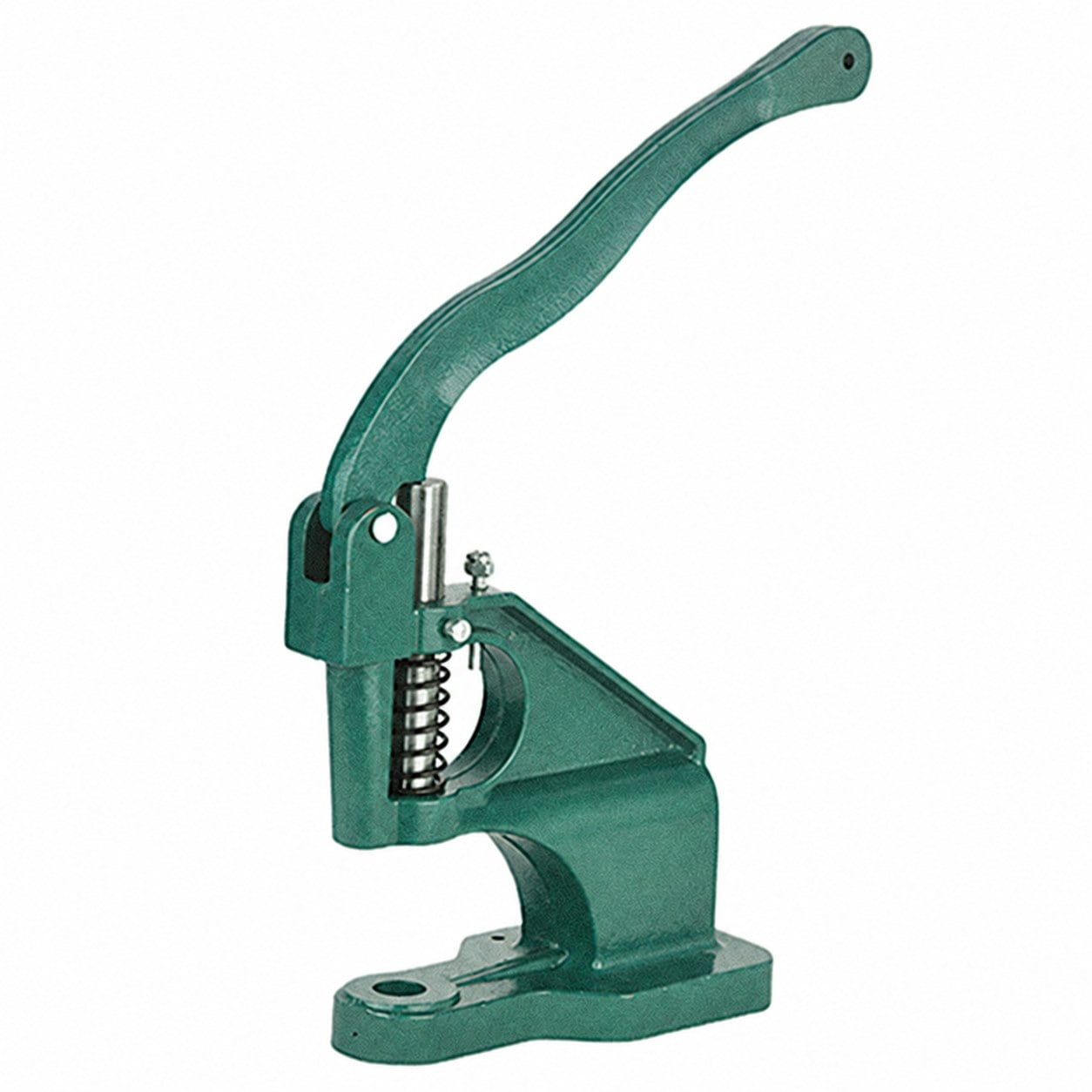
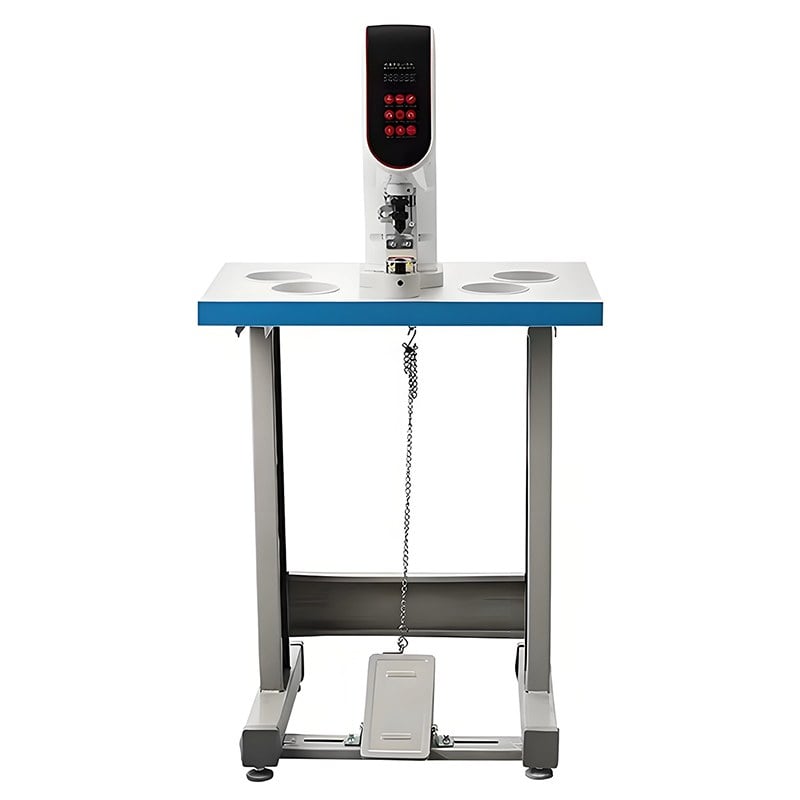
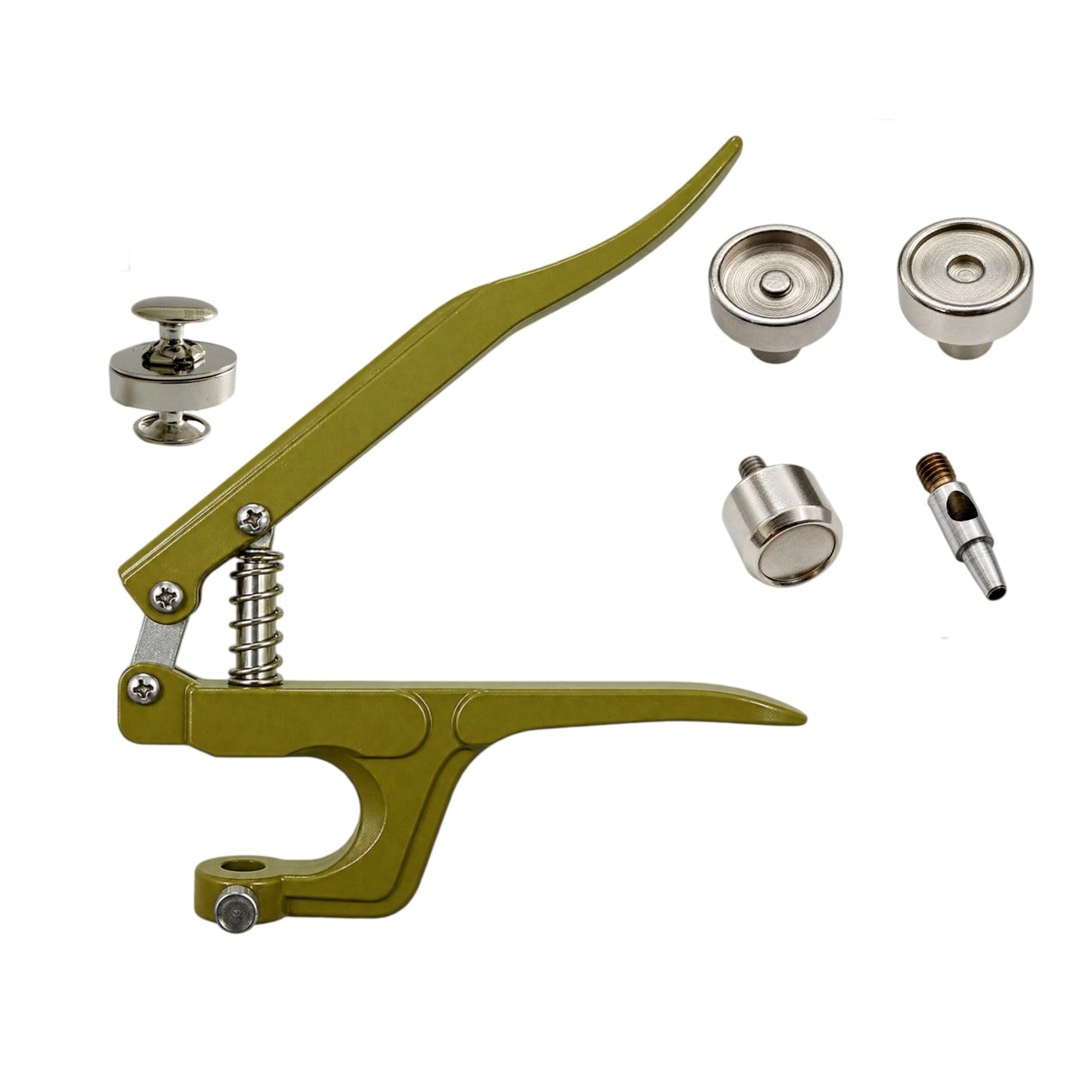
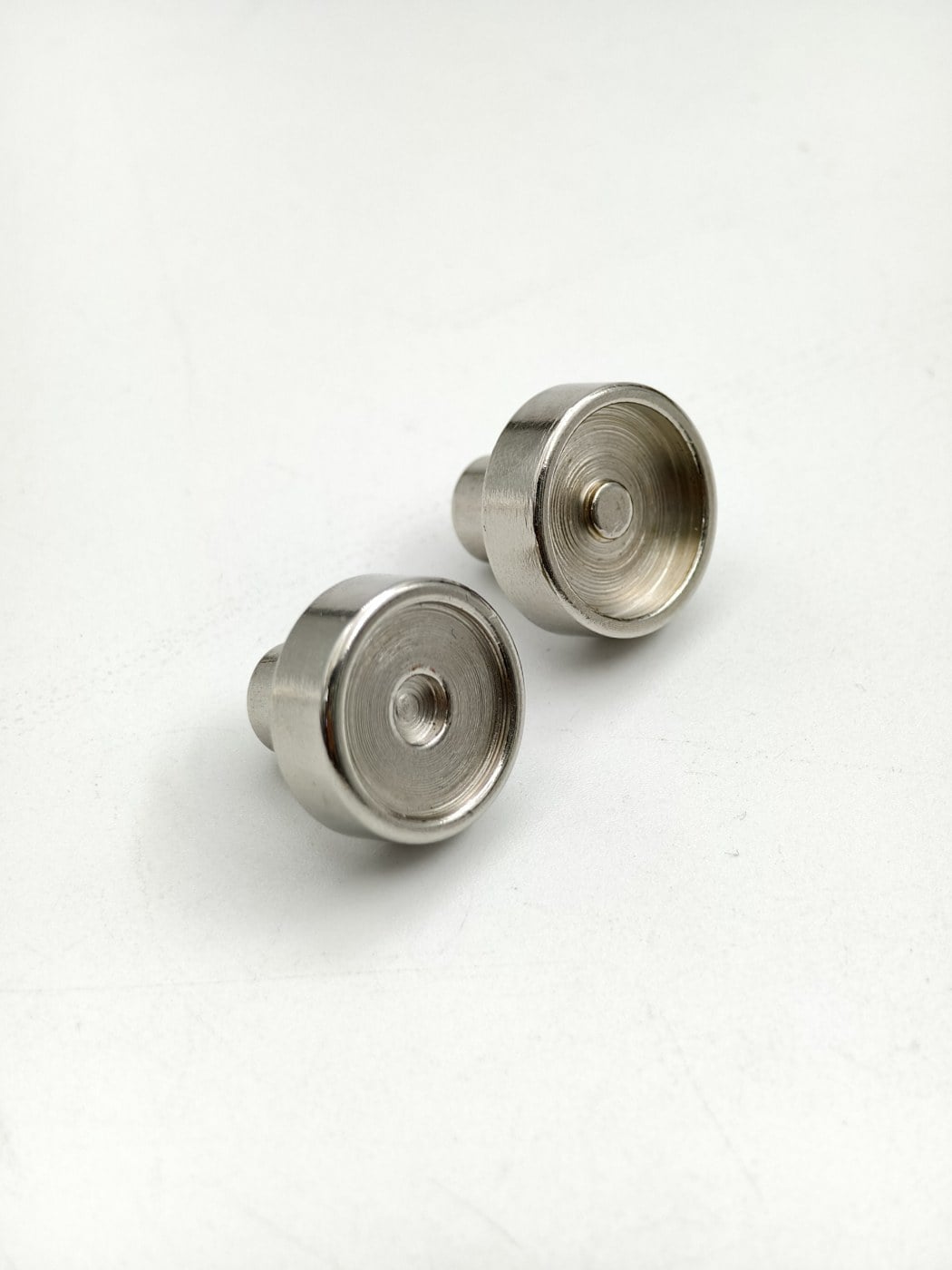
The current tooling catalogue lists these six products. This is not a complete matrix of every structure or every machine, and a listed product still has to be matched to the specific snap and equipment. No separate prong-tooling product page is in the public catalogue. If a prong, tubular-rivet or other construction needs tooling, send the snap model and intended equipment with the review request rather than assuming one of these six pages covers it.


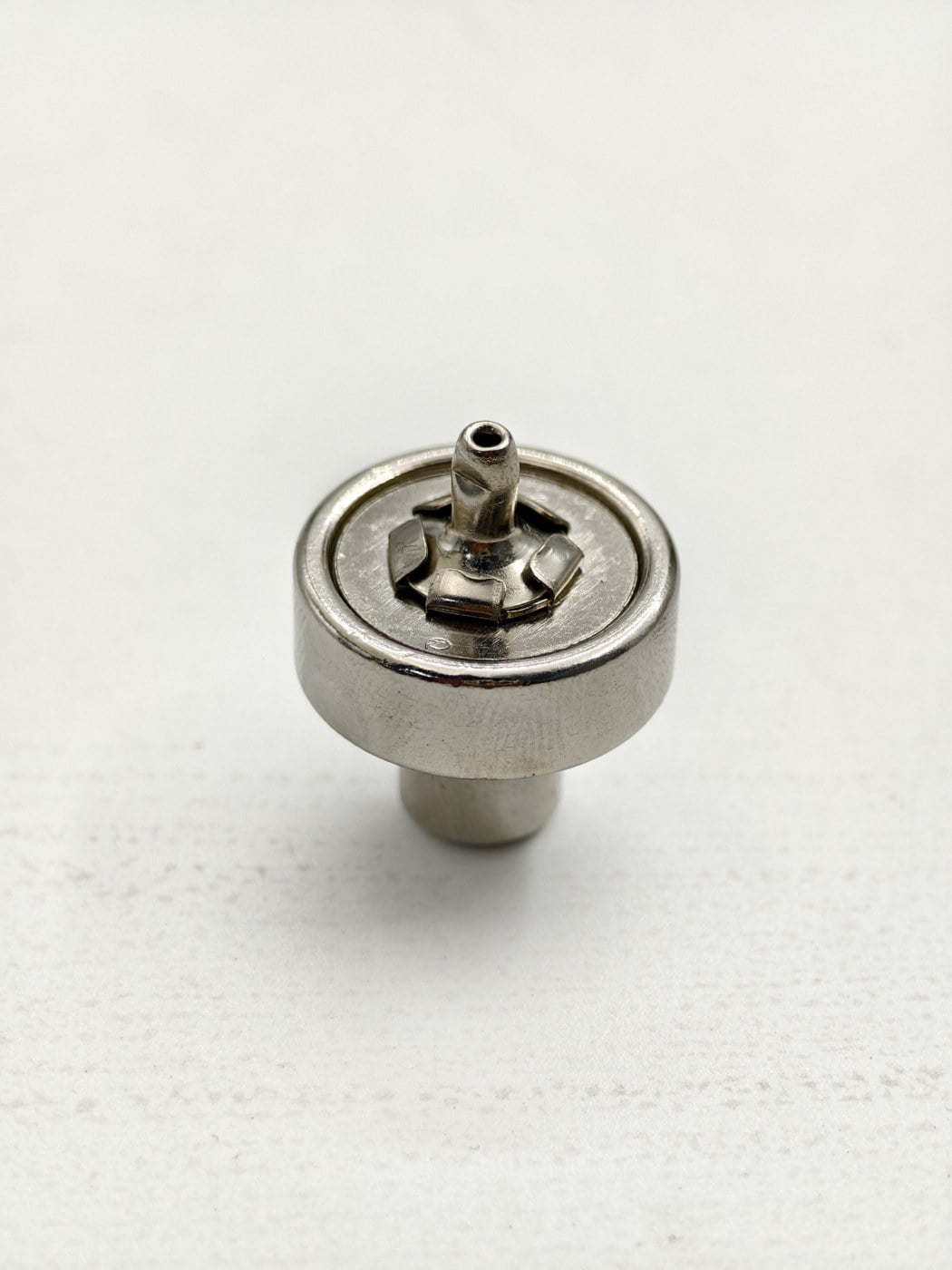
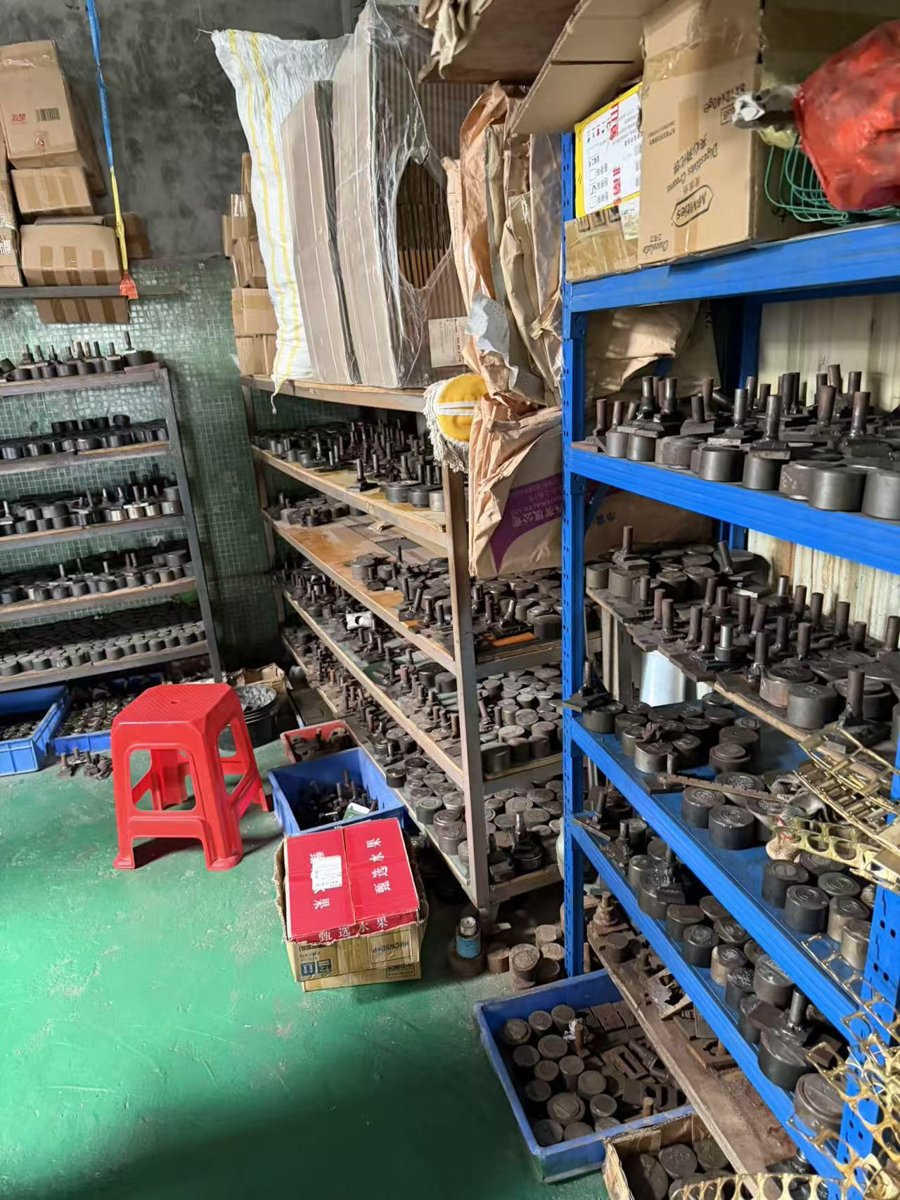
At a glance
| Decision | What this hub asks you to do | Where to read more |
|---|---|---|
| How to install, and what to check beforehand | Use the teaching guide; do not treat this hub as a second tutorial | Installation Guide |
| Which attachment structure the product can accept | Shortlist the structure from the construction, then compare product options | Attachment types |
| Which setting method the workshop can use | Match method to equipment, access and order size; verify the combination | Setting methods |
| Which dies or hand tools to enquire about | Start from the live catalogue class; do not treat diameter or thread as proof of fit | Setting dies · Tooling catalogue |
| Whether rivet length will close the finished article | Measure the full material stack, including reinforcement and lining | Rivet length |
| What failed in a trial | Separate fixing reliability from magnetic closure force | Installation problems |
| Whether a press station plan is ready to review | Brief the machine interface, dies and sample stack; confirm the current machine offer when you enquire | Manual vs electric press |
Frequently asked questions
Is this page a replacement for the Magnetic Snap Installation Guide?
No. The Installation Guide remains the how-to page. This hub helps bag manufacturers, leather goods factories and product development teams find the right guide, compare tooling options and prepare a sample-approval brief.
Can any of the four structures be used with any of the four setting methods?
No. The four setting methods may be applicable to different magnetic snap structures, depending on the exact snap design, corresponding dies, equipment interfaces and workpiece access. Each proposed combination must be verified before production.
If the diameter or mounting thread matches, are the dies compatible?
Not by that fact alone. Matching snap diameters or mounting threads alone do not confirm tooling compatibility. Confirm the snap model, die profile, equipment interface and the finished material stack.
Do the six catalogue products cover every magnetic snap structure?
No. They are the hand-tool and press-die products publicly listed at the time of this page, in the single-rivet, double-rivet and grommet families. A listed product still has to be matched to the specific snap and equipment. If the required structure is not represented, request a review rather than substituting the closest SKU.
What should we send for a tooling compatibility review?
Send the snap model and structure, photographs of both sides, the finished material stack, the intended setting method, and any tool, die or machine-interface references already in use. If a trial has already failed, describe the symptom and whether it is a fixing issue or a magnetic-closure issue.
Request a Tooling Compatibility Review
Use the form below to request a tooling compatibility review. The details you include help Richarms comment on the proposed snap, die and equipment combination and on the information needed for sample approval.
Please include in your message:
- Snap model, structure and, if available, the current drawing or both-side photographs
- Intended article (for example a bag flap, leather cover, notebook or packaging) and the finished material stack, including reinforcement and lining
- Intended setting method and any hand-tool, die or press-interface references already in use
- The problem to review, if a trial has already been run
- Whether this request is for sampling or for production release
 German
 English
 French
 Italian
 Portuguese
 Spanish
 Turkish
 Korean
 Japanese
 Dutch