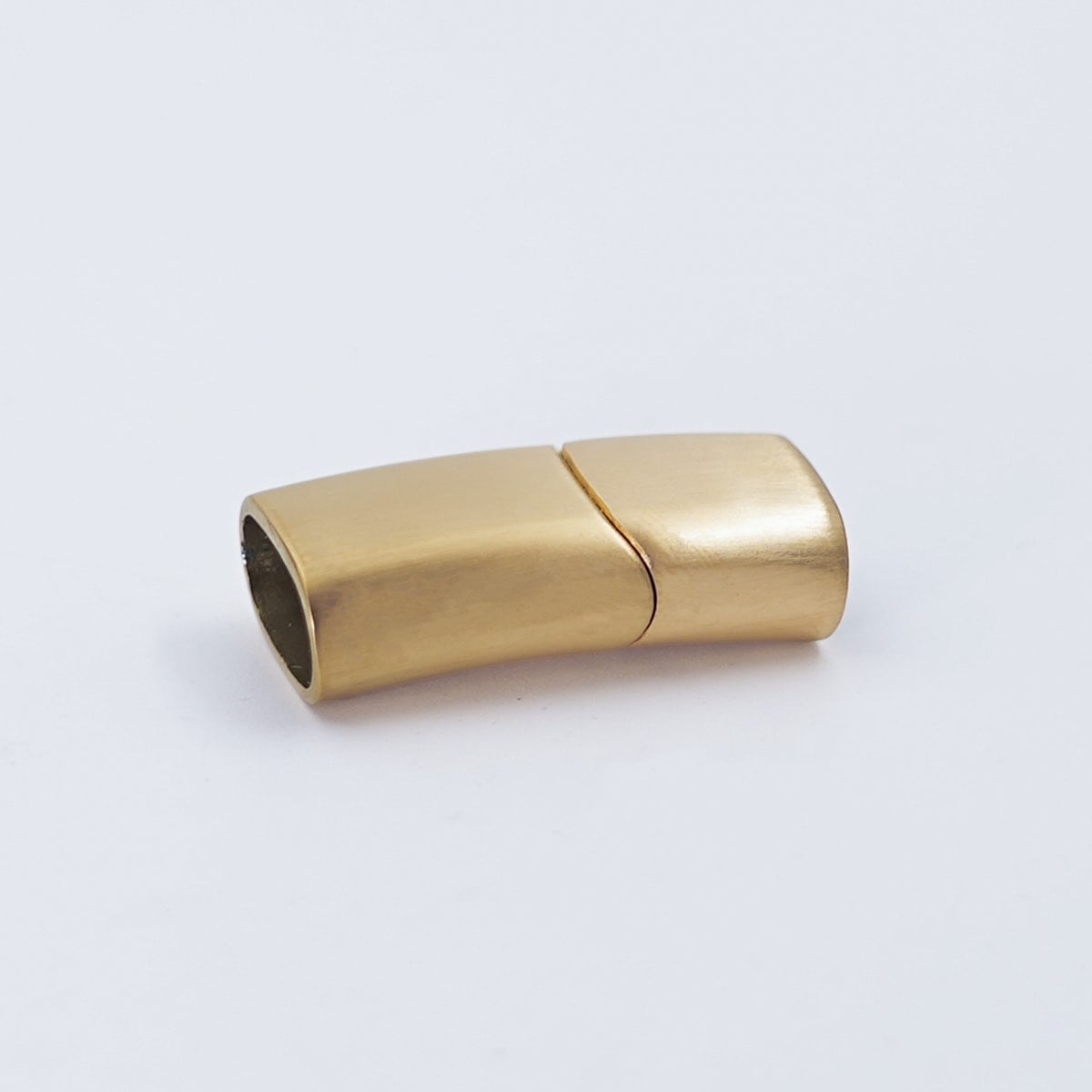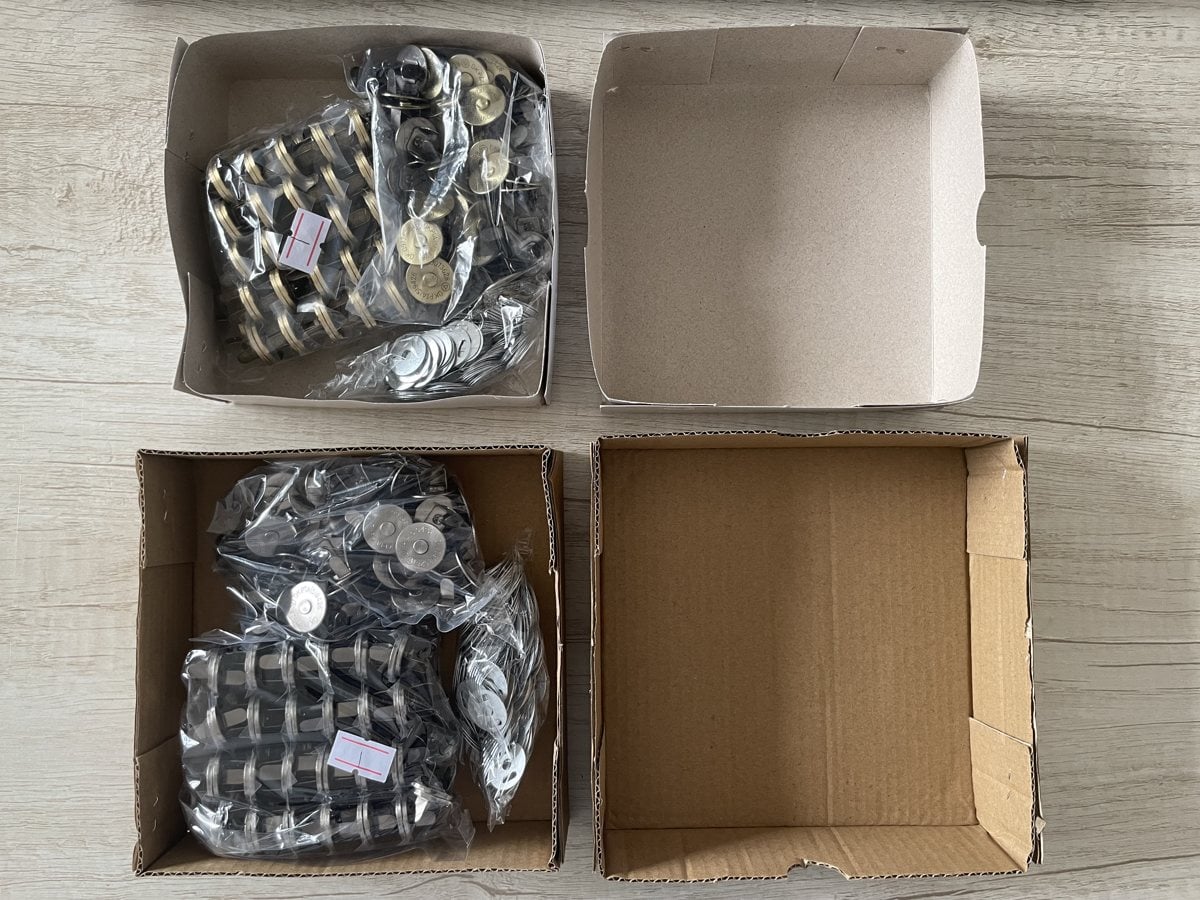
Magnetic fastener sourcing for distributors requires more than selecting a familiar shape. A distributor needs a component that can be identified, described and reordered without confusing similar configurations.
This guide concerns magnetic fastening components and their purchasing records. It does not establish electrical, medical or safety-critical suitability. Application-specific requirements need a separate review of the proposed part.
Define the Stocked Product Family
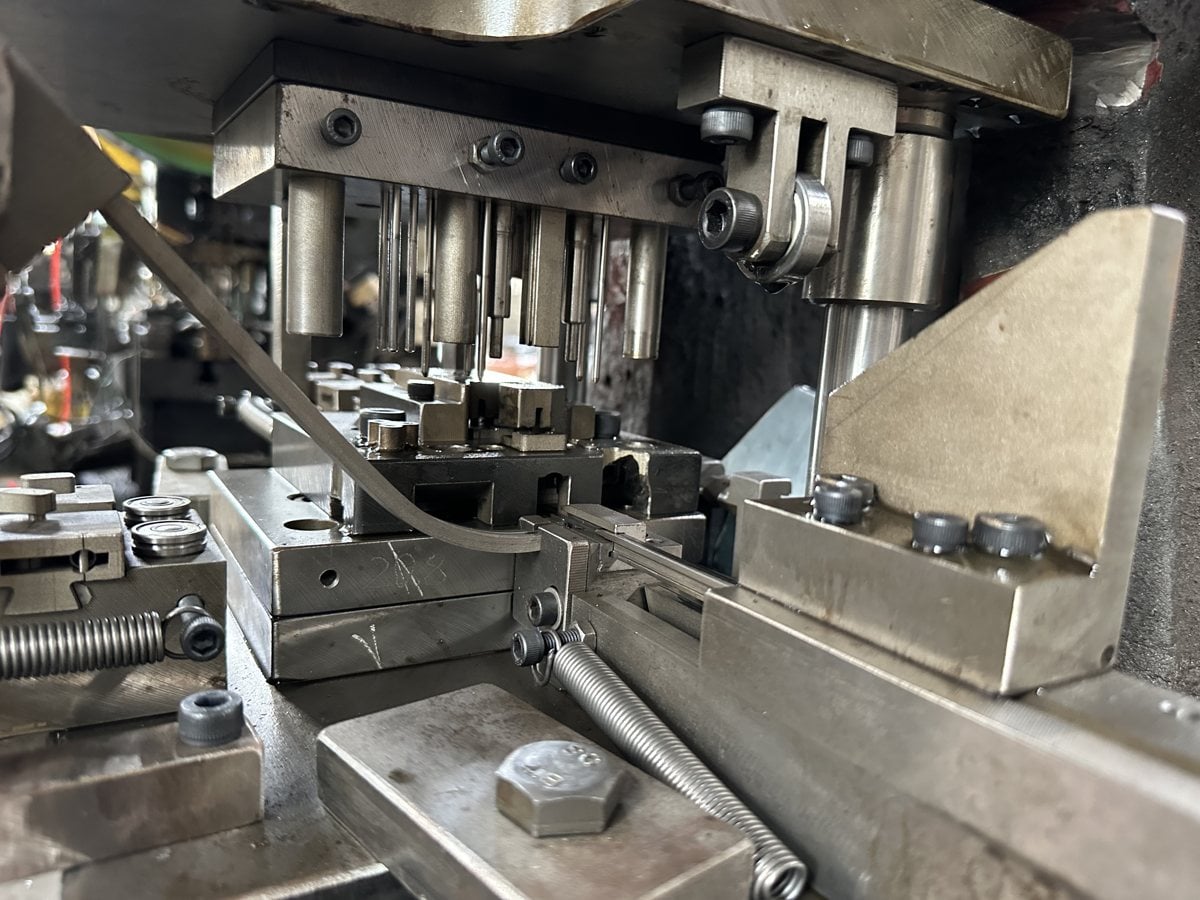
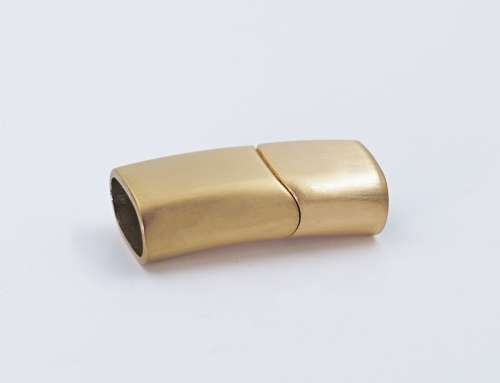
Define the product family you intend to stock and the applications your customers describe. Separate a complete mating assembly from a single component. Record which variants differ by geometry, finish or supplied accessories so the catalog does not hide meaningful distinctions.
Avoid describing different suppliers’ parts as interchangeable on appearance alone. Ask for the dimensions and interface information needed to assess the intended pairing. Where a customer supplies an existing part, treat it as a reference for review rather than a guarantee of compatibility.
Qualify Samples and Documentation
Request a sample and the information needed to identify it. Check whether the drawing, quotation and physical assembly describe the same version. Agree which dimensions and functional characteristics need verification and how the results will be recorded.
Separate catalog specifications from application approval. A listed size does not confirm suitability in every enclosure, cover or assembly. Keep any unverified requirement visible, and avoid transferring a test claim from one model to another.
Plan Repeat Orders
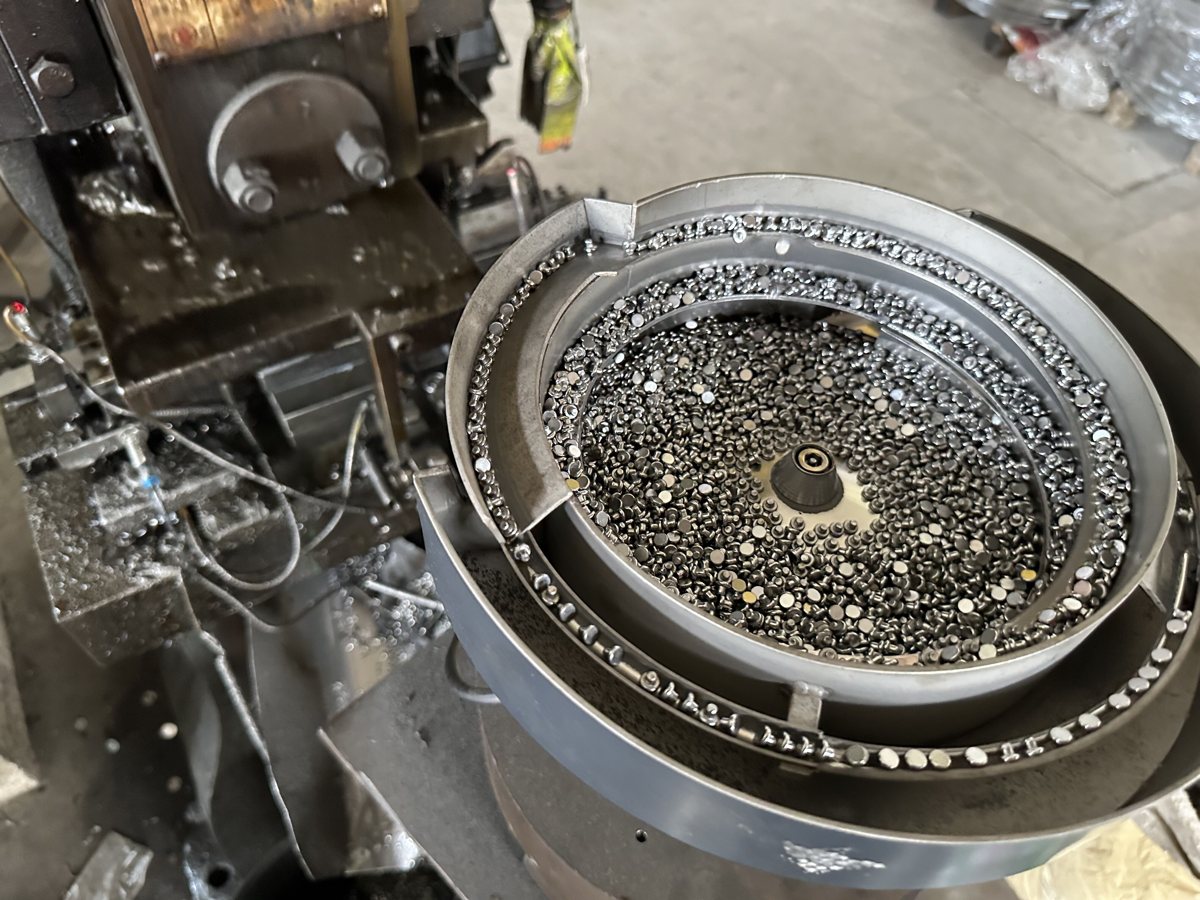
Separate catalog specifications from application approval
Discuss repeat demand, packaging and label requirements before the first production order. Ask what lot information and inspection records can actually be supplied. If a documentation requirement cannot be met, resolve it before promising that information to downstream customers.
Plan how substitutions and revisions will be handled. Preserve the relationship between the supplier’s part reference and your own stock code. A controlled record helps purchasing distinguish an approved replacement from a similar-looking part that has not been evaluated.
Questions fréquemment posées
Does sourcing establish end-use approval?
No. Review the actual application requirements separately.
Are similar parts interchangeable?
Only after the relevant interfaces and requirements have been checked.
Should distributors keep supplier references?
Yes, alongside their own stock codes where applicable.
Are all inspection records automatically available?
Confirm the required documents and available scope before ordering.
Discuss Your Requirements
Send your target fastener drawings and stocking requirements for a feasibility review.
Contact Richarms for a requirements review.
For additional visual product references, visit Richarms product references on Pinterest. Use the agreed drawing and physical sample, rather than social images, for purchasing approval.



 French
 English
 Italian
 Portuguese
 Spanish
 Turkish
 Korean
 Japanese
 German
 Dutch