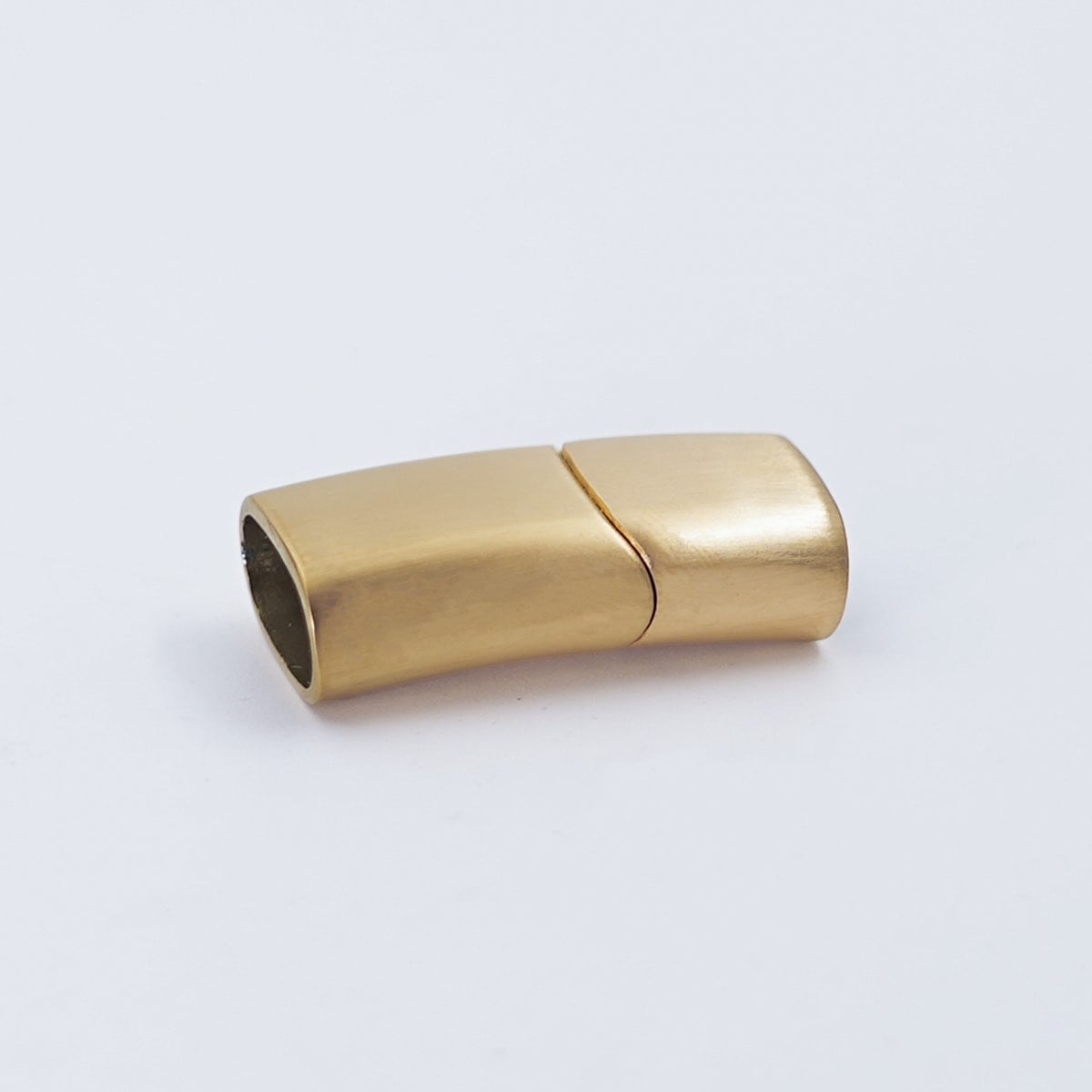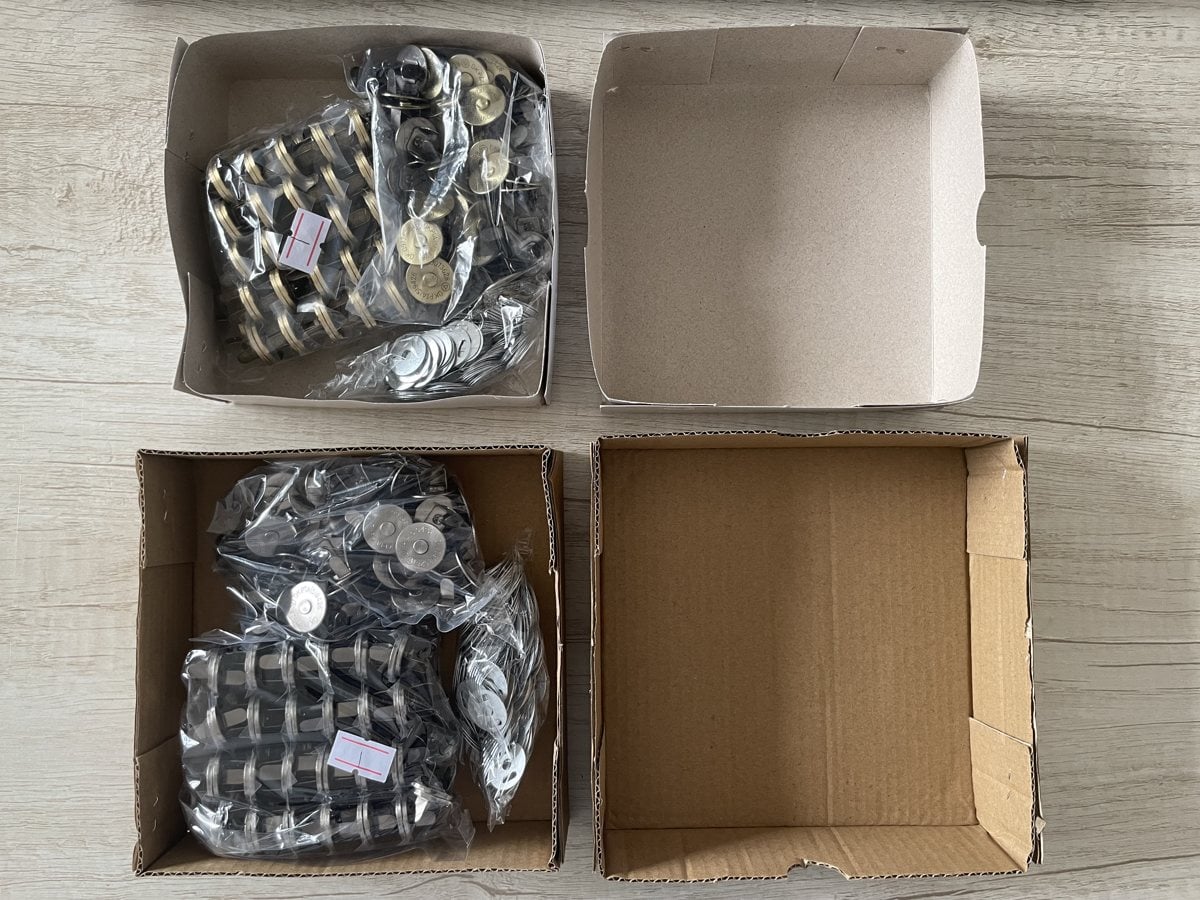
Magnetic fastener drawing review connects the buyer’s requirements to a part that can be checked. An overall width and a photograph may identify the product family, but they may not describe the interfaces that determine whether the assembly fits.
Start with a readable drawing revision and a list of unresolved requirements. Keep the review focused on the proposed magnetic fastening component, rather than assuming a general drawing establishes every end-use capability.
Identify Functional Interfaces
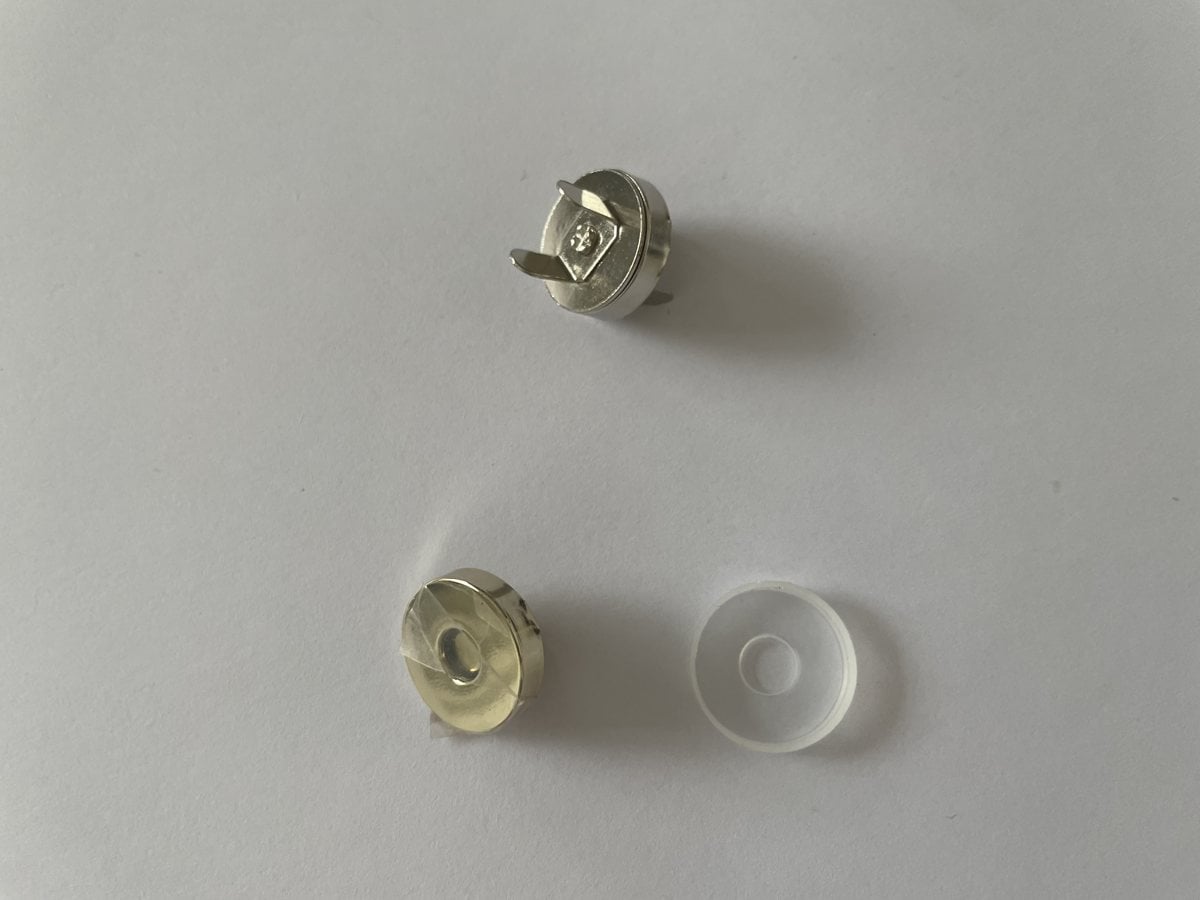
Identify the surfaces, holes and mating features that interact with the surrounding assembly. Show which view contains each feature and use a consistent unit system. Where the fastener consists of several pieces, distinguish component dimensions from assembled dimensions.
If an existing part is the reference, indicate which features must remain compatible and which can change. A photograph can supplement the drawing, but it should not replace a dimension needed for acceptance.
Mark Critical Dimensions
Distinguish nominal dimensions from tolerances. A nominal size describes the intended value; an acceptance range must be stated or agreed separately. Do not apply a guessed tolerance simply because a dimension appears important.
Mark the features that affect fit and explain why they matter. Avoid making every dimension equally critical without considering its function. Where the drawing and a sample disagree, resolve the difference before treating either one as the production reference.
Agree Inspection Methods
Distinguish nominal dimensions from tolerances
Agree how important dimensions will be checked, including the measurement location and the assembly condition. A measurement across loose components may not answer a requirement defined for a finished set. Record the method clearly enough for buyer and supplier to compare results.
Keep drawing changes visible through revision identification. Ask the supplier to list assumptions and unresolved points in the review response. Release a production specification only after those questions have been addressed, and retain the earlier revision for reference rather than silently replacing it.
よくある質問
Is a nominal dimension a tolerance?
No. Agree the acceptable range separately.
Can a photo replace every drawing?
No. Features needed for acceptance should be defined clearly.
Which revision should the order reference?
The reviewed and approved revision.
What if the sample and drawing disagree?
Resolve the discrepancy before production release.
Discuss Your Requirements
Send a revision-controlled drawing with critical dimensions marked.
Contact Richarms for a requirements review.
Related Buying Guides
For additional visual product references, visit Richarms product references on Pinterest. Use the agreed drawing and physical sample, rather than social images, for purchasing approval.



 Japanese
 English
 French
 Italian
 Portuguese
 Spanish
 Turkish
 Korean
 German
 Dutch