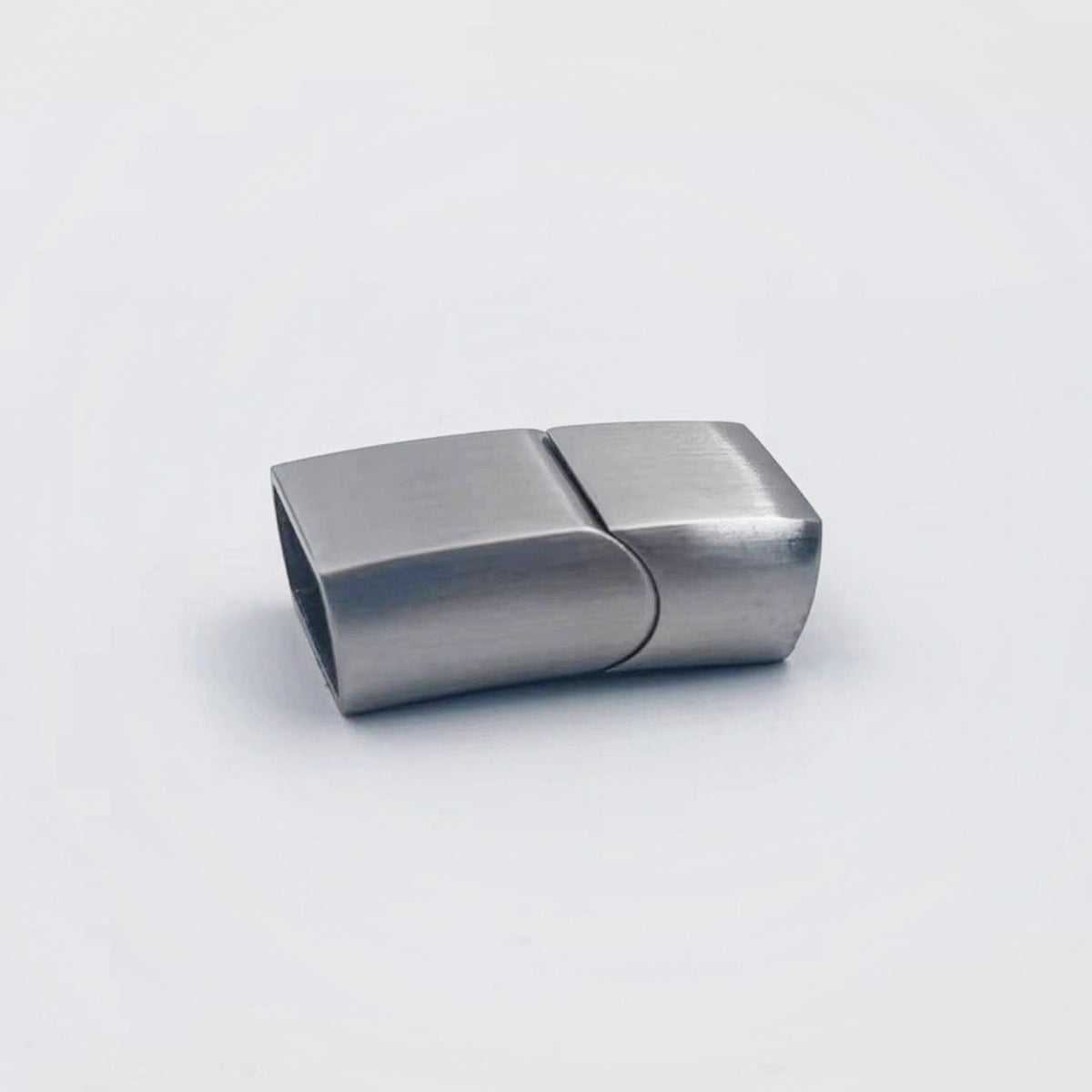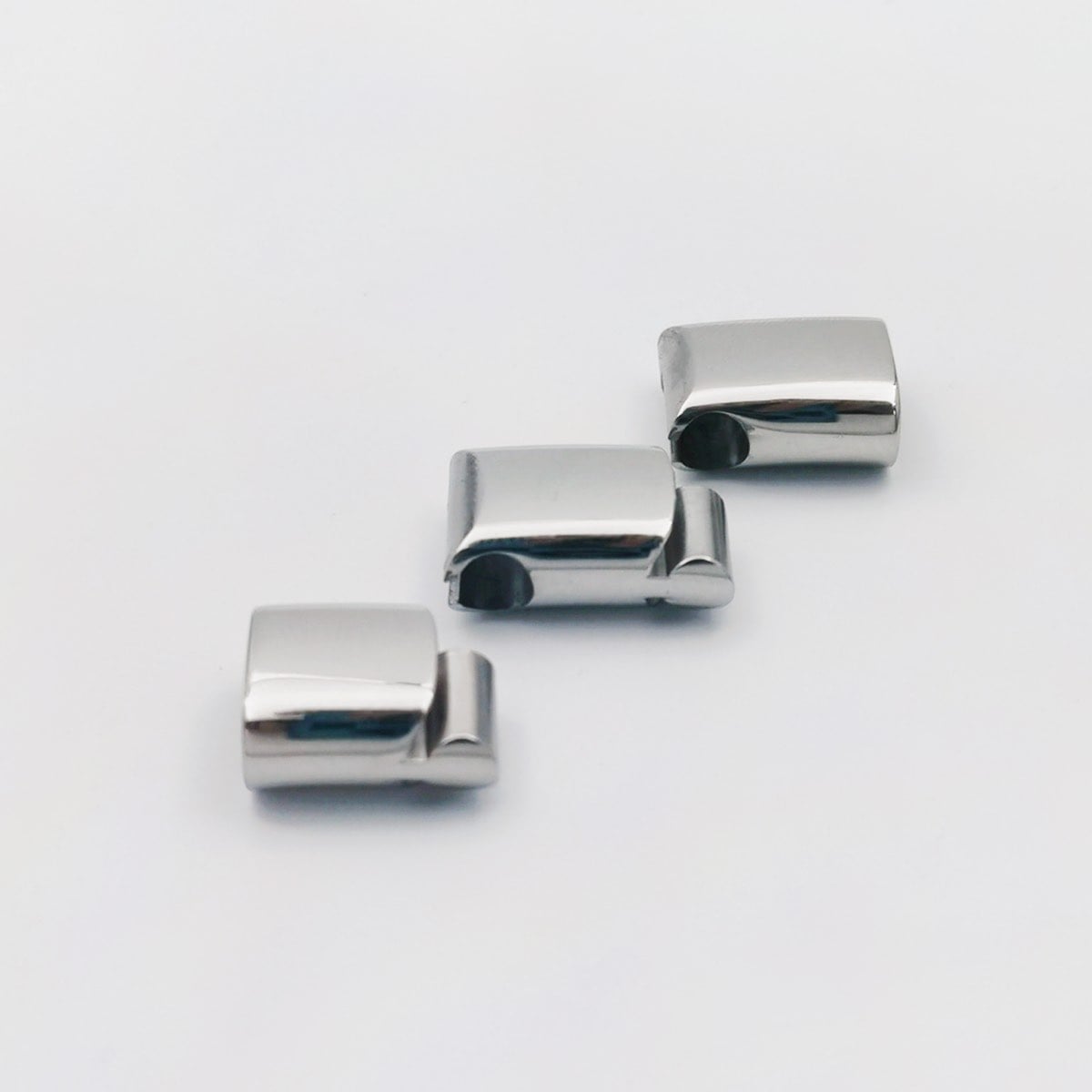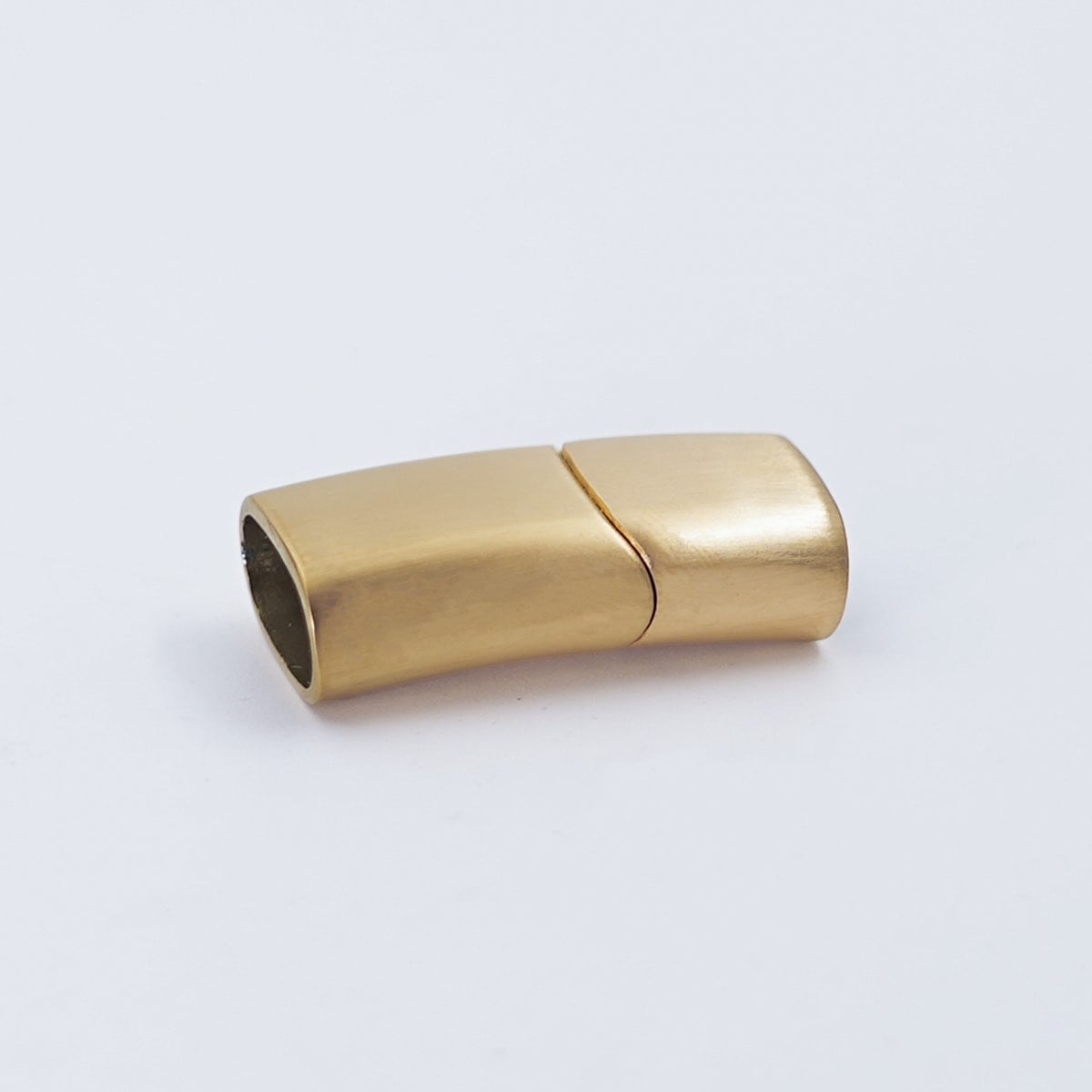
A magnetic front closure bra for elderly wearers may make fastening easier to reach and align, but individual grip, garment fit and medical-device compatibility still matter. Its value depends on the individual's movement, grip and fit needs. Front positioning and magnetic assistance are separate features, and neither guarantees comfort or independent dressing for everyone.
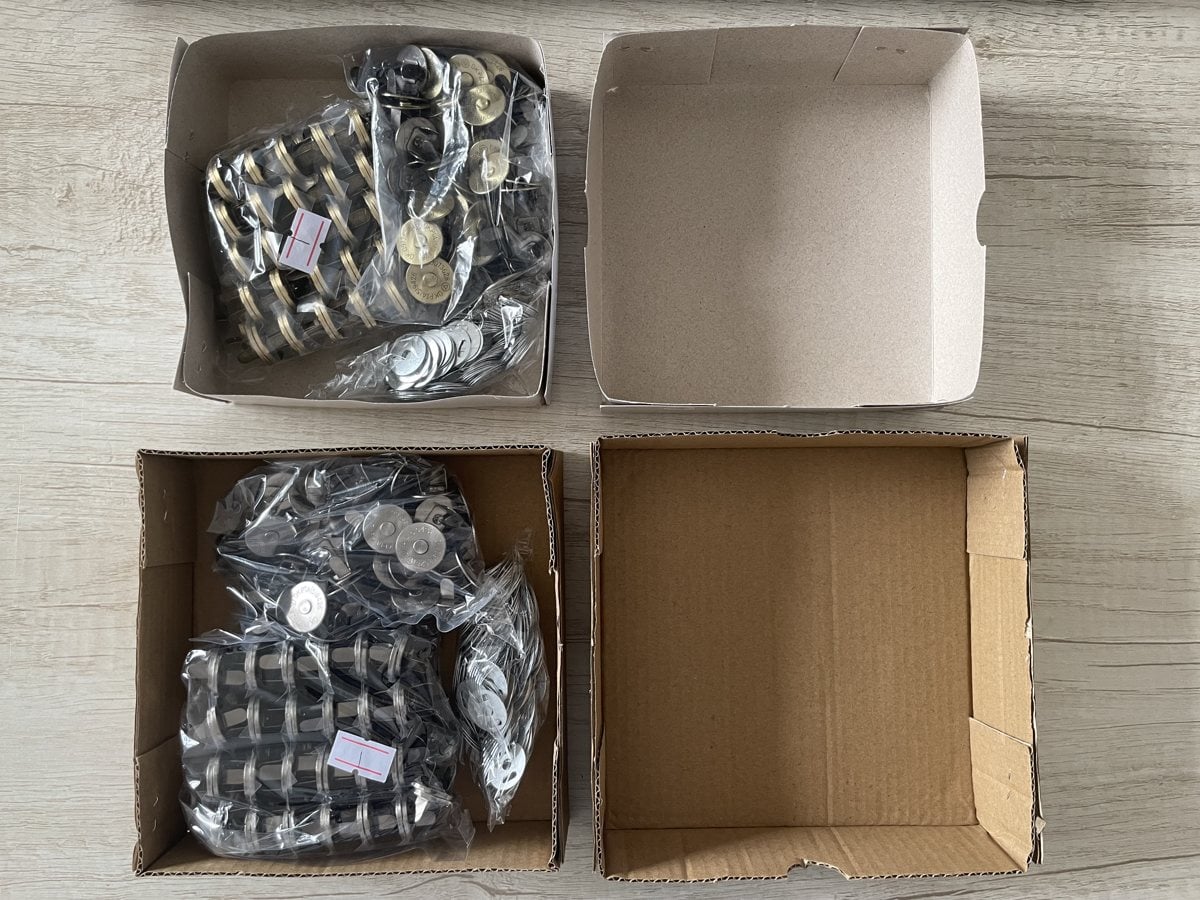
This guide explains five potential benefits and the checks that should accompany them. Richarms supplies bra magnetic closure components for garment development.
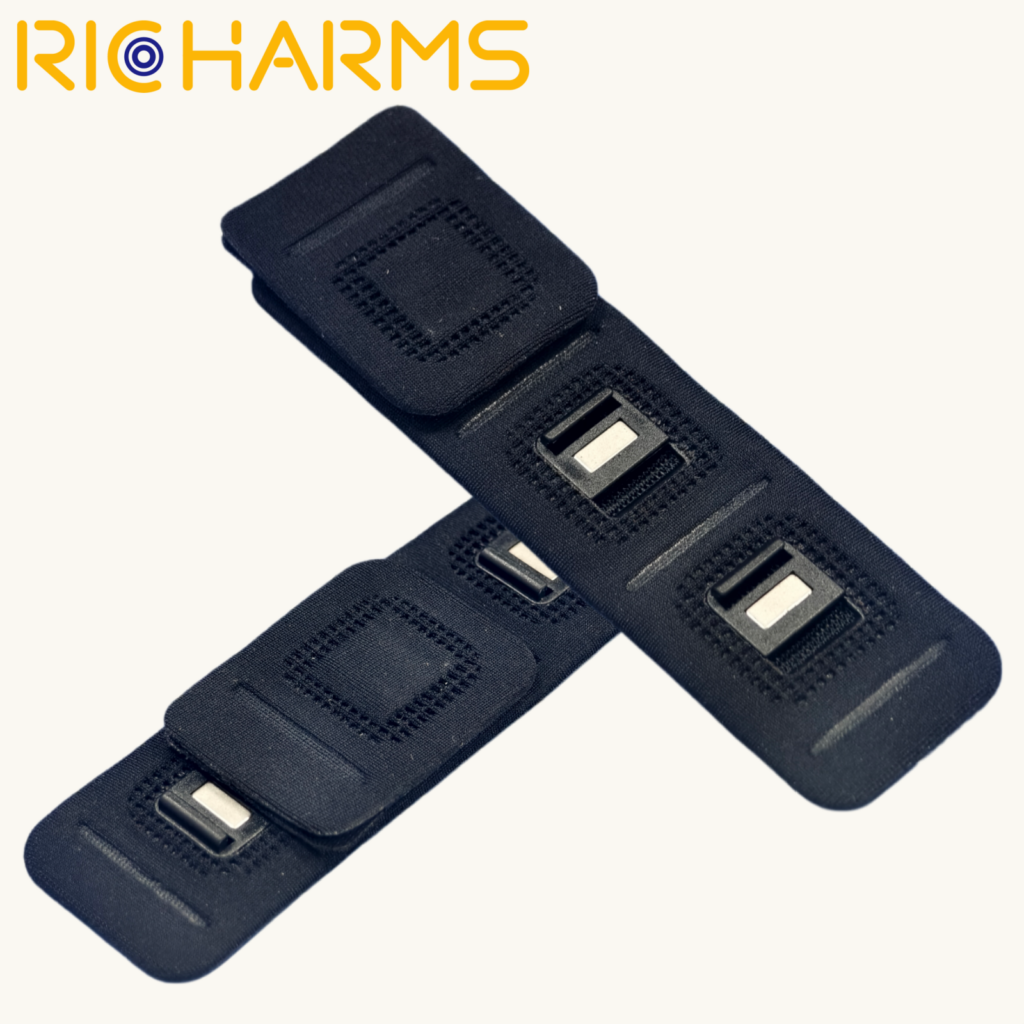
Choosing a magnetic front closure bra for elderly wearers
A front closure puts the fastening where the wearer may be able to see and handle it more easily. This can reduce the need to reach behind the back. The position still needs to suit the garment and wearer, particularly where the hardware could press against a sensitive area.
A front hook or nonmagnetic clip can offer the same positioning advantage. Our magnetic clips versus hooks comparison separates closure location from the fastening mechanism.
2. Magnetic guidance can help alignment
Attraction between the mating parts can help bring them into position. This may reduce the precision needed to engage very small hooks, but the wearer must still be able to grasp and control the components.
Some designs have an additional mechanical action. Check it during a fitting or sample trial instead of assuming that the halves simply touch and lock.
3. A suitable grip can simplify handling
A well-positioned gripping surface or fabric tab may help the user operate the closure. The opening effort must remain manageable. A stronger magnet can make release harder, particularly if the user cannot comfortably hold the fabric around it.
について easy clasp guide for arthritis discusses choosing around the specific difficult movement. An occupational therapist can help with individual dressing needs.
4. A successful design can support independent dressing
If the wearer can reliably close and release the garment, the design may support dressing with less assistance. This should be demonstrated in practice, not promised from the presence of a magnet alone.
Try the complete fastening sequence, including reaching for the garment, positioning the straps and making adjustments. A clasp that works well in the hand may be less manageable under band tension.
5. Hardware can be integrated into an everyday style
A magnetic clasp can be incorporated into different garment designs without requiring one particular appearance. Comfort and support still come from the whole bra: fabric, seams, straps, band and sizing matter alongside the closure.
Do not assume that a clasp suitable for everyday wear is also suitable for exercise or recovery after surgery. Those uses require their own garment assessment.
Check safety, fit and care before choosing
People with magnet-sensitive implanted or wearable medical devices should obtain device-specific guidance before using magnetic apparel. Read our magnetic closure safety guide, and consider a nonmagnetic option if compatibility is uncertain.
Inspect the enclosure and fixing, follow the garment's care instructions and stop using damaged hardware. For brands, the magnetic clip selection guide provides a sample checklist.
See Richarms on Instagram for product imagery and our bra hardware store category for listed components. Contact Richarms with a garment brief to discuss a sample rather than choosing only from a closure photograph.

 Japanese
 English
 French
 Italian
 Portuguese
 Spanish
 Turkish
 Korean
 German
 Dutch