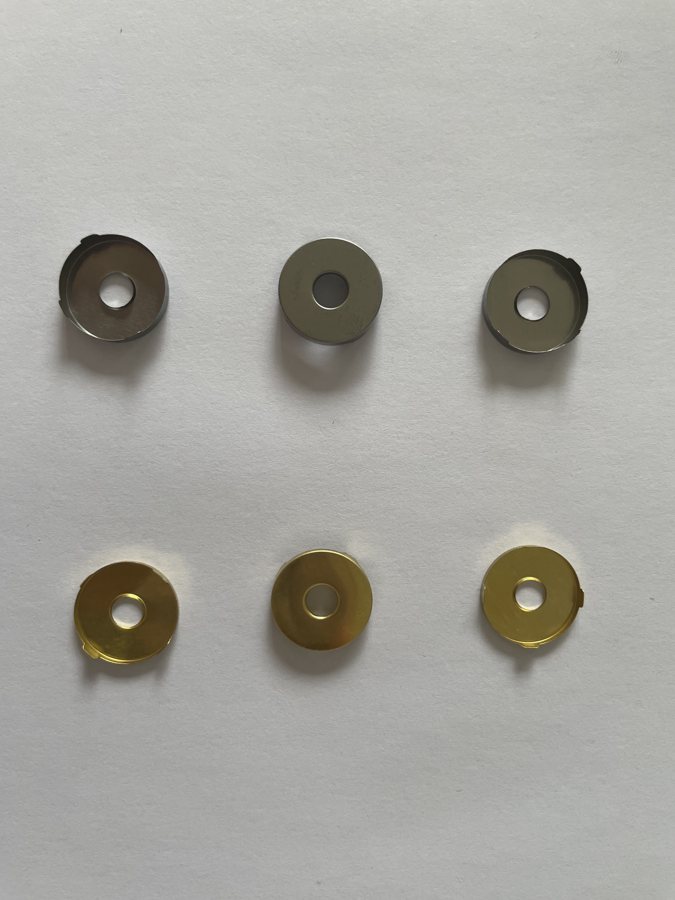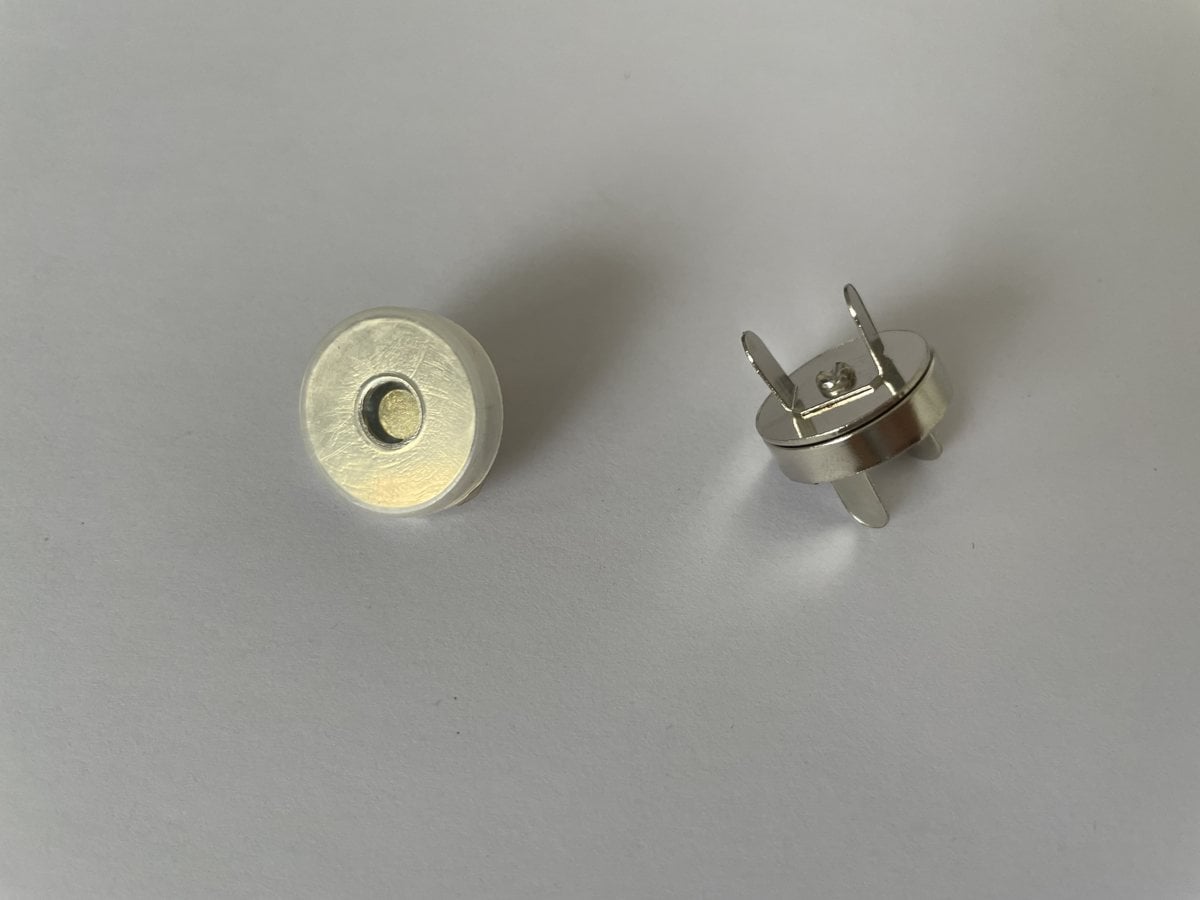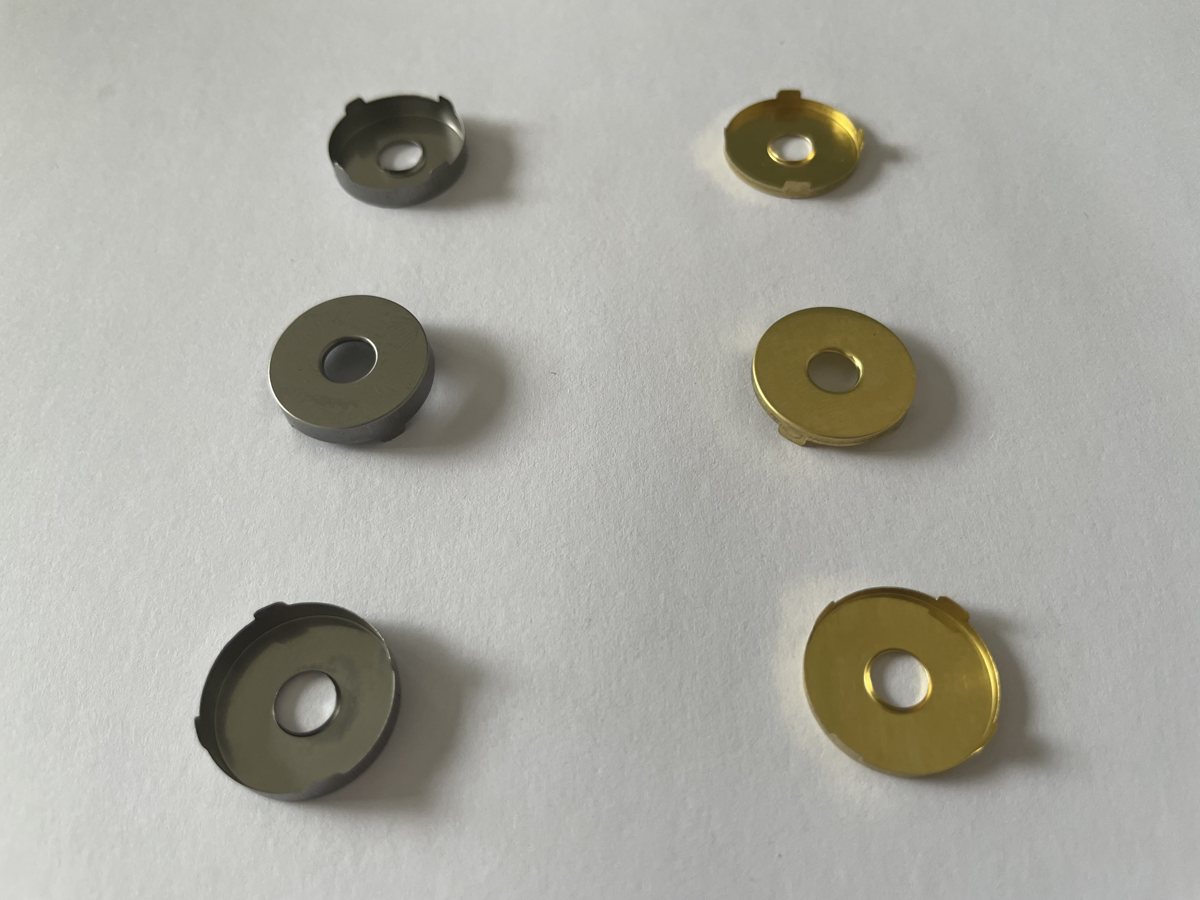
The magnetic vs button clasp decision comes down to opening action, material construction and the appearance you want for the finished leather bag. A magnetic snap draws its paired faces together, while a button stud usually retains a leather strap through a shaped opening. The better handbag closure depends on the flap, leather, load direction and how frequently the user needs access.
Browse our magnetic snap range while comparing the design requirements below. Neither system is automatically stronger or more secure in every bag.

Magnetic vs button clasp selection
Magnetic snaps can make frequent access convenient because the two halves help align as they approach. The user still needs enough grip to separate them, and the bag needs enough structure to keep the halves aligned.
A button stud involves moving a hole or slit over the stud head. That action can feel deliberate and provide a distinctive leathercraft appearance, but it may be awkward if the strap is stiff or the opening is poorly sized. Test the action with the intended users instead of judging ease of use from a catalogue photo.
Compare retention in a complete bag
Magnetic closures can release under peeling, sliding or twisting loads that differ from a straight pull test. Button studs depend on the stud geometry, strap thickness, opening shape and how the leather changes with use. Wear around the hole can change the fit.
For either design, test the bag empty and normally filled. Check whether the flap lifts, whether contents press against it, and whether the user can open it without distorting the panel. The magnetic strength and thickness guide explains the role of the installed construction.
Match the attachment to your workshop
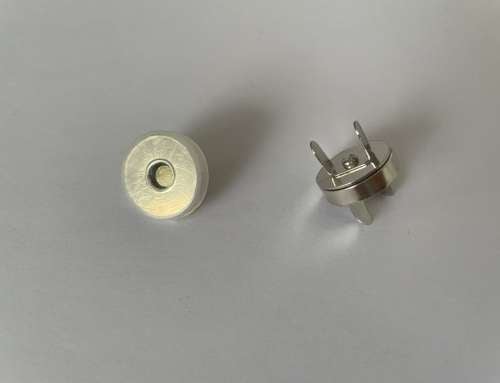
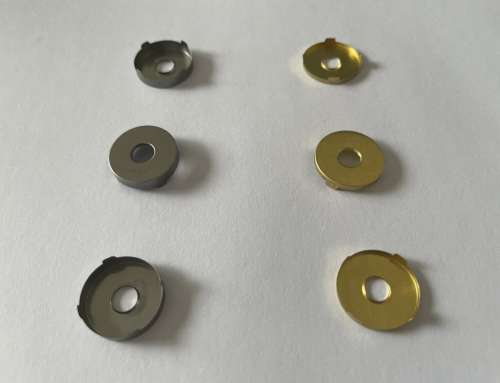
Prong magnetic snaps need accurate openings and backing reinforcement. Rivet magnetic snaps require suitable tools and matching dies. A screw-mounted stud needs its own assembly method and checks for loosening; a riveted stud has different tooling needs.
Use our magnetic snap installation guide for the magnetic options. Confirm compatibility with existing tools before ordering hardware for a production run.
Consider the appearance and repair path
A concealed magnetic closure can keep the exterior visually quiet. Exposed round or square snaps can instead become part of the design. See the square versus round comparison for placement and styling considerations.
A button stud creates a visible point of attachment and may suit a prominent leather strap. Consider whether either closure can be replaced without opening a lining or damaging the finished panel. Repair access is a useful part of the design brief, especially for products sold with a repair service.
Related Reading
Make a sample-based decision
- Choose magnetic snaps when quick, repeated access is a priority and the assembled closure meets your retention requirements.
- Consider a button stud when the strap action and visible hardware suit the design, and sample testing confirms an acceptable fit.
- Use another fastening or a backup where the product needs positive locking beyond either sample's performance.
Compare available Richarms magnetic snaps online and explore our Pinterest profile for design references. Send the flap construction and use case to Richarms for help selecting a magnetic sample.
For bags exposed to rain or damp storage, review magnetic snap selection for outdoor leather gear before specifying a finish or making a water-resistance claim.


 Japanese
 English
 French
 Italian
 Portuguese
 Spanish
 Turkish
 Korean
 German
 Dutch