Magnetic snap rivet length should be selected against the complete fixing stack and the specific snap design. The thickness of the outer leather or fabric alone is not enough. Lining, reinforcement, backing parts and compression can all affect the installed assembly.
There is no universal extra-length allowance for every Richarms rivet, tubular rivet or eyelet structure. Start with the model drawing and confirm the proposed combination through a sample installation.
Measure the stack before choosing magnetic snap rivet length
List the layers at the exact fixing position. A reinforced closure tab can differ from the surrounding panel, and a seam allowance can create a local change. Measure representative samples with a consistent method and tell the supplier how compressible layers were handled.
| Record | Include |
|---|---|
| Outer material | Material type and thickness at the fixing point. |
| Inner layers | Lining, foam, reinforcement and adhesive layers that remain in the assembly. |
| Backing parts | Required washers, plates, caps or receiving components. |
| Local variation | Seams, folded edges or differences between the two snap positions. |
| Measurement method | How the sample was supported and whether soft layers were compressed. |
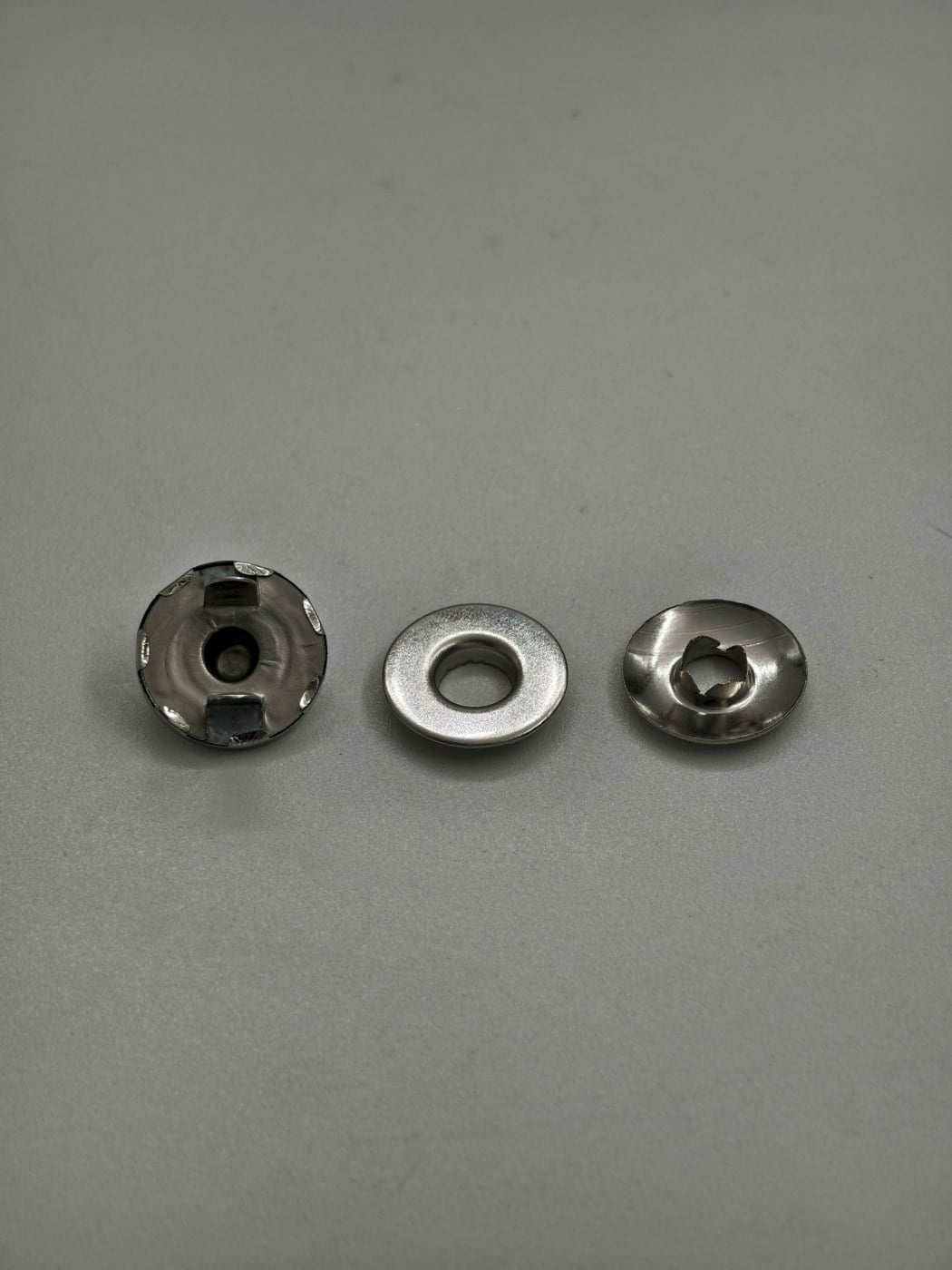
Do not remove a specified backing component just to make a post appear long enough. Revisit the complete model and stack with the supplier.
Read the length datum on the drawing
Ask where the stated length begins and ends. Overall component height, projecting post length and effective engagement are different measurements. A dimension without its datum can lead two people to describe different geometries using the same number.
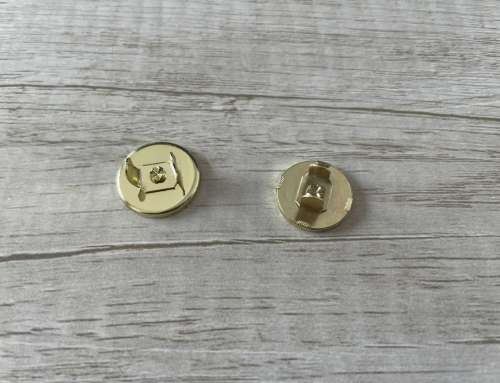
Identify the receiving part and the section involved in forming. A solid rivet, a tubular fixing section and a prong are not governed by one interchangeable length rule. The attachment types guide explains why the back of both halves must be identified.
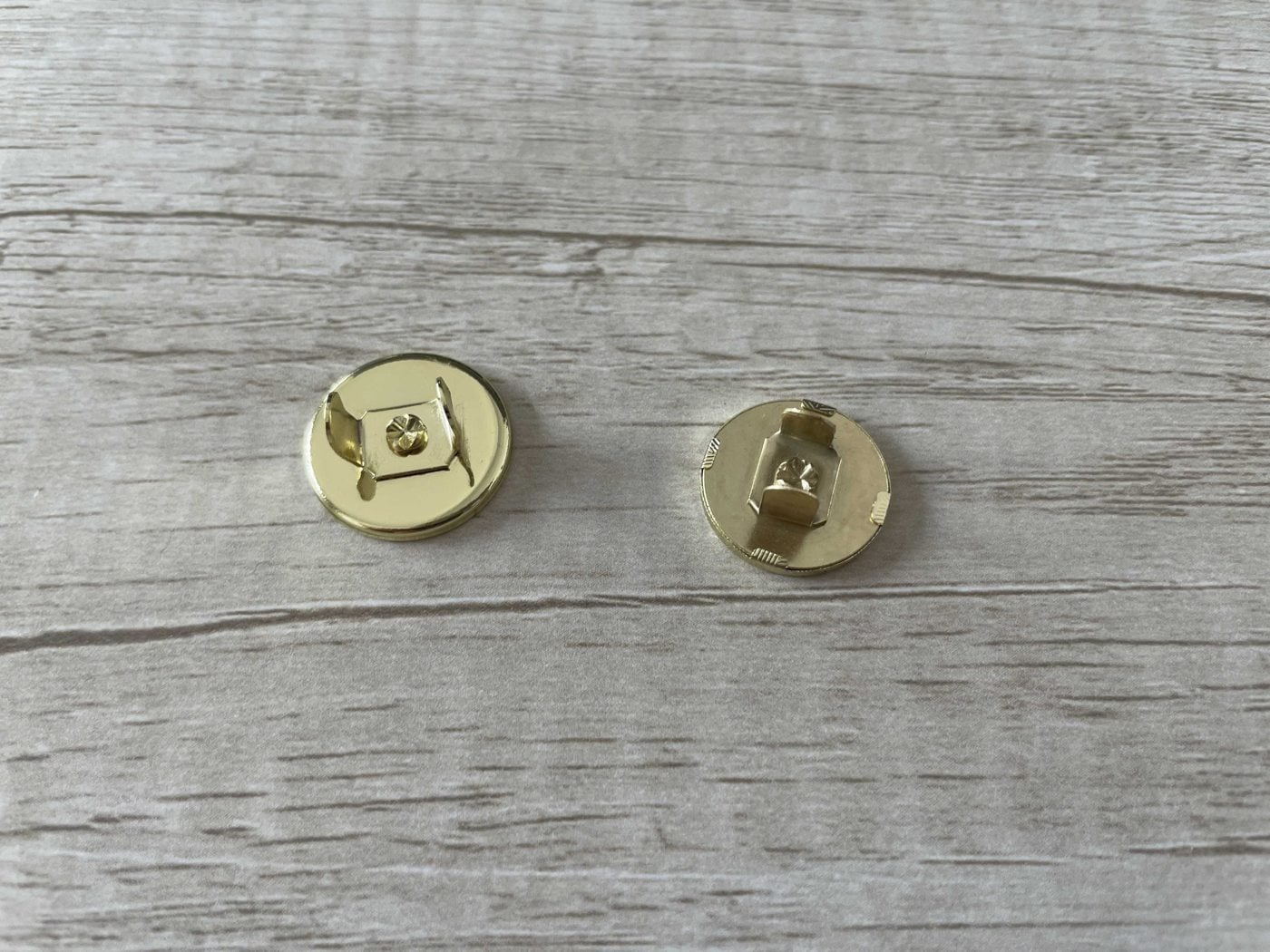
For a selected single-rivet snap, request the drawing for that variant and explain the intended backing arrangement. Avoid transferring a specification from a visually similar product.
Keep fixing length separate from magnetic closure strength
The fixing stack determines how the hardware attaches to the product. The gap and alignment between the mating magnetic faces affect a different part of the closure. A longer fixing post should not be treated as a general way to increase magnetic holding strength.
If the hardware is secure but the closure feels weak, review the finished geometry and our magnetic snap strength guide rather than changing rivet length without evidence.
Trial the proposed length with matched tooling
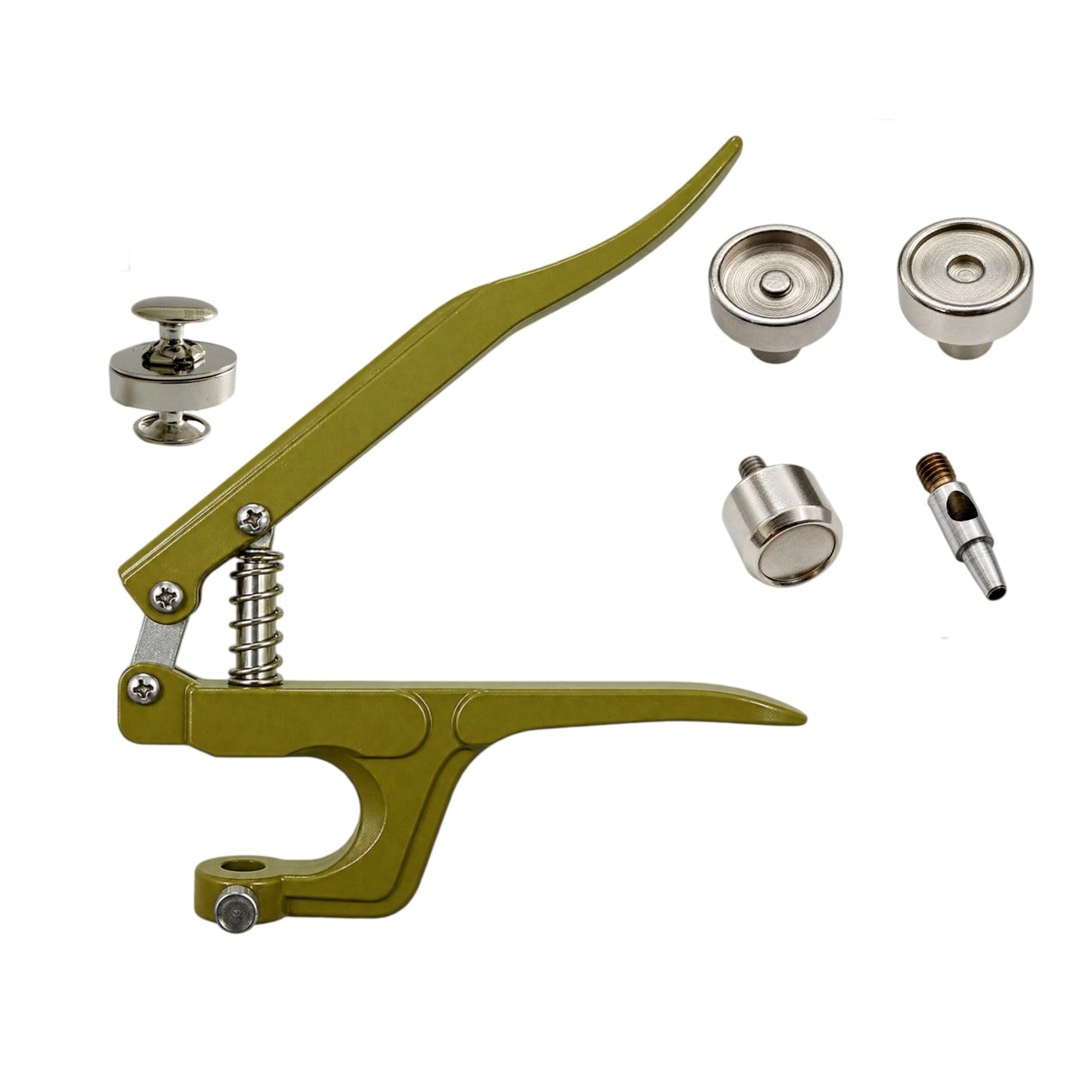
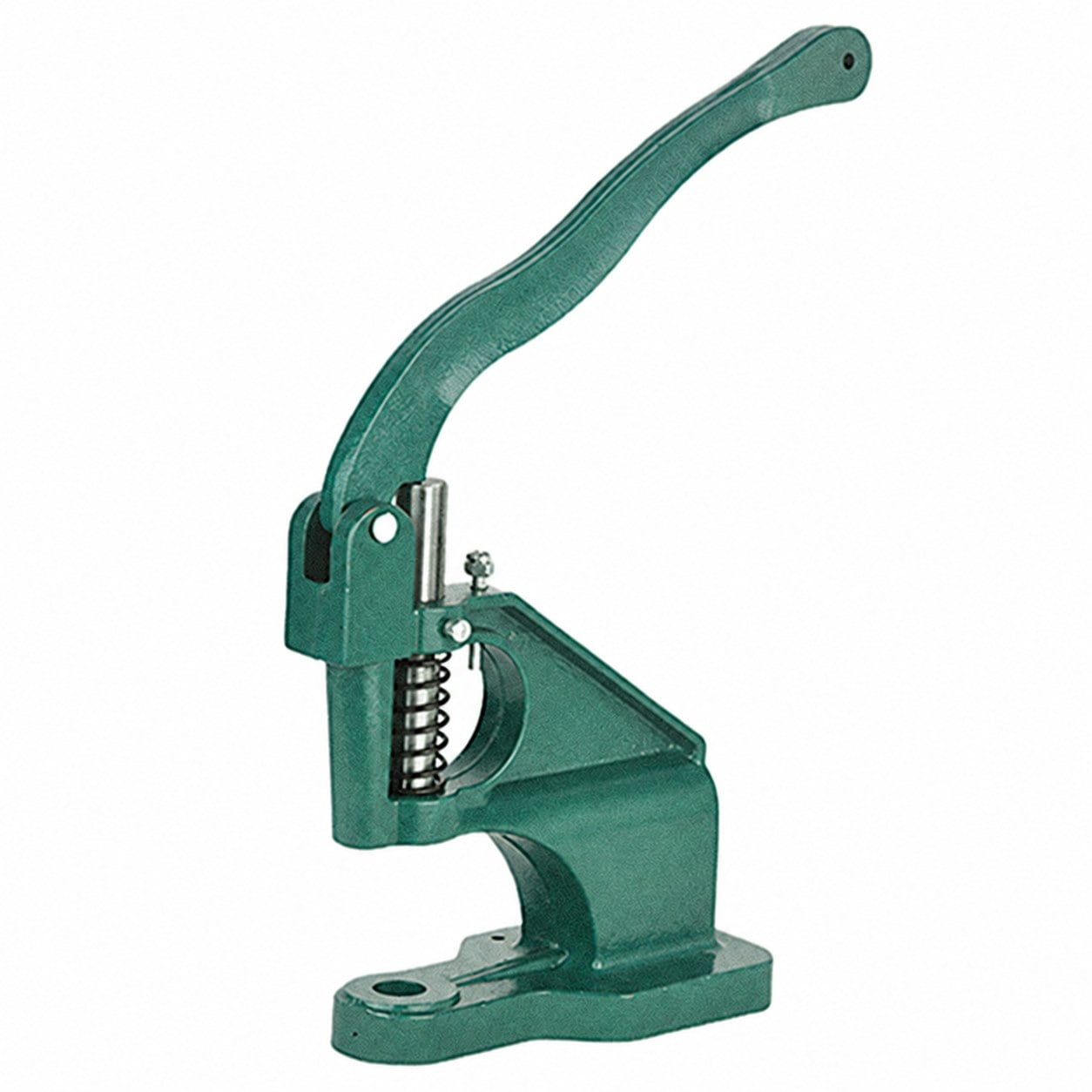
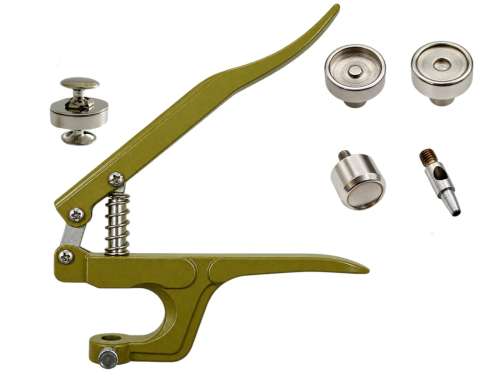
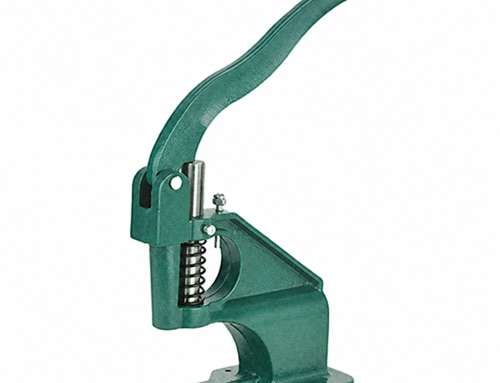
Prepare representative material assemblies, including the layers and backing parts you have specified. Use the matched setting dies and the supplier’s approved setup instructions. Compare results only after confirming that the model and tooling are correct.
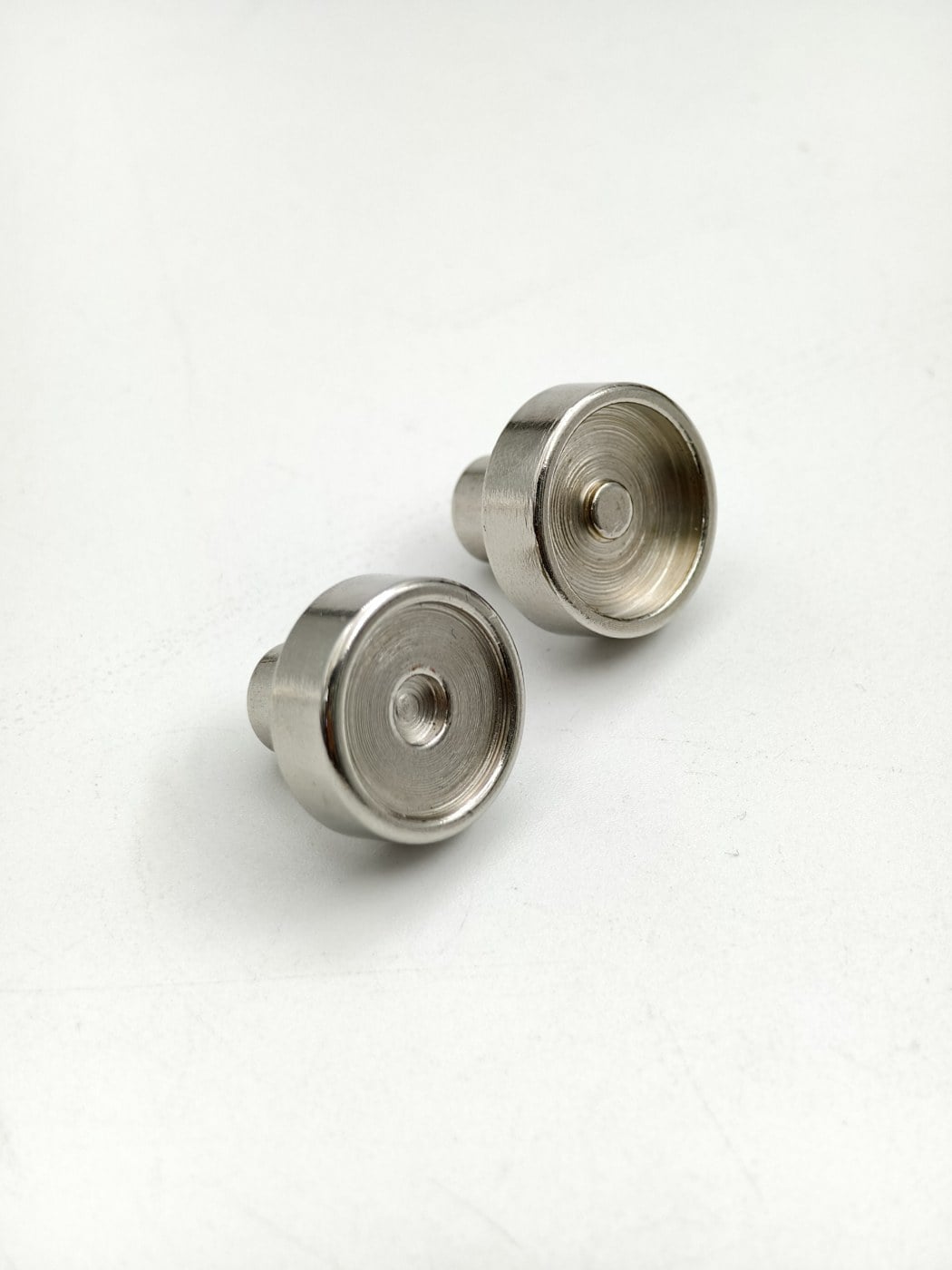
- Inspect whether the components seat as intended on both faces.
- Check for unwanted movement against the agreed attachment requirement.
- Look for distorted hardware, damaged material or a backing part sitting incorrectly.
- Check the mating halves in the completed product, not only as loose panels.
None of these symptoms alone proves that the post is too long or too short. Use the installation troubleshooting guide to review tooling, preparation and alignment as well.
Record the approved combination
Keep the drawing revision, snap model, specified length, material stack, backing parts and tooling identifiers with the approved sample. Reassess the setup when a material or component changes. This is more useful than retaining only a nominal material thickness.
Send Richarms the material stack and snap drawing for a length review. De installation guide shows how this decision fits into the full approval process.

 Dutch
 English
 French
 Italian
 Portuguese
 Spanish
 Turkish
 Korean
 Japanese
 German