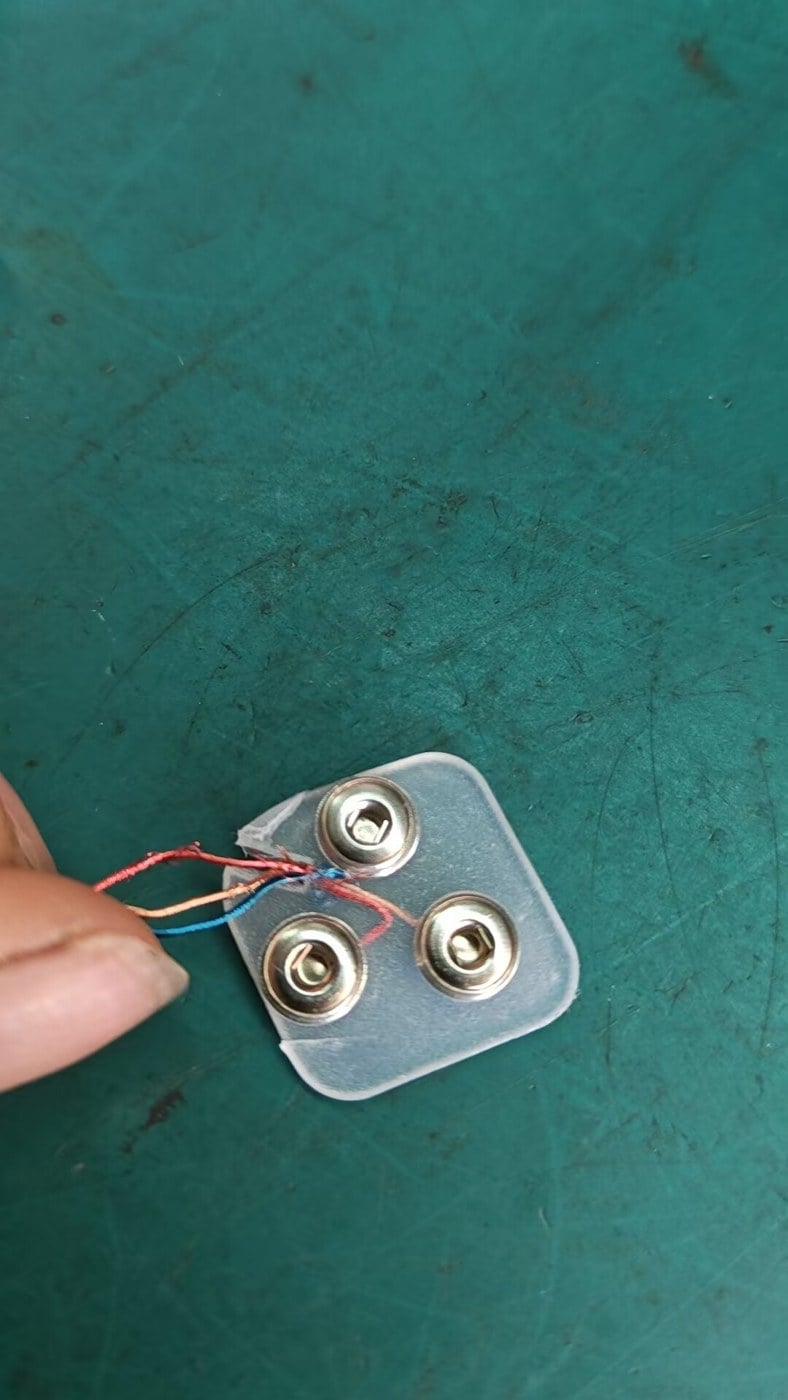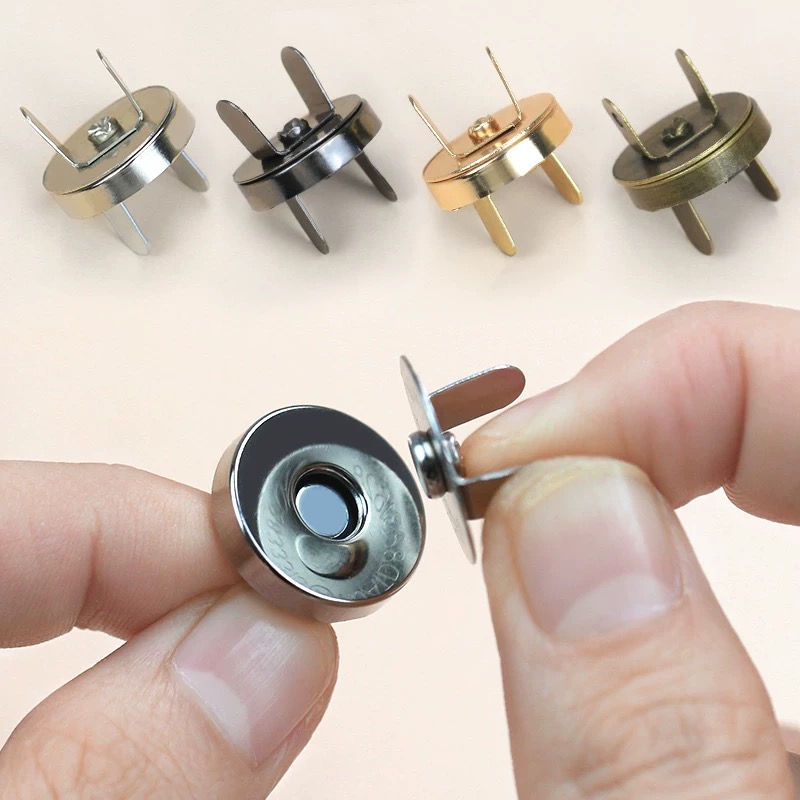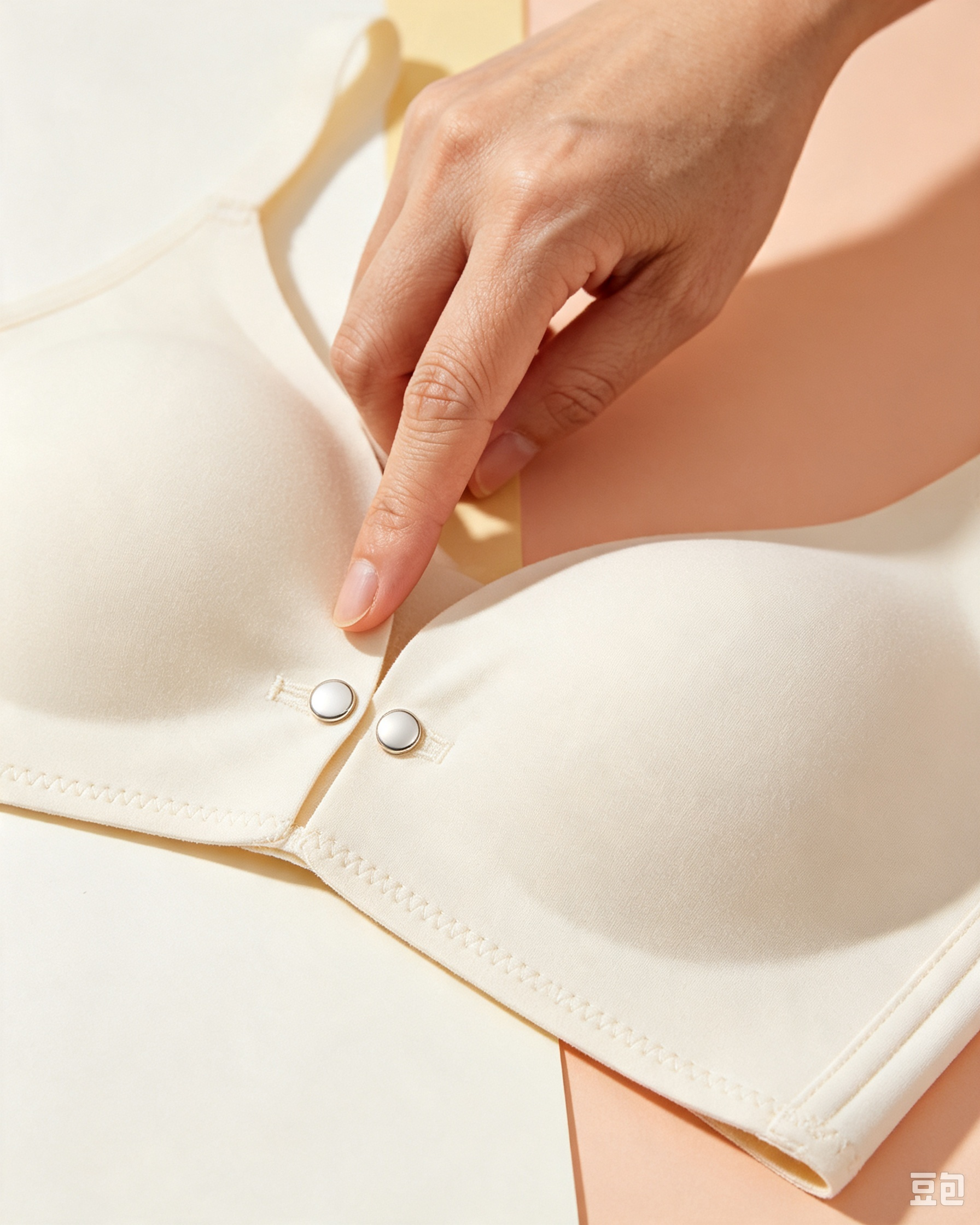
Magnetic bra closure safety depends on the wearer, the clasp and the finished garment; easy fastening alone does not establish medical-device compatibility. A magnet that is securely enclosed can still be unsuitable near a magnet-sensitive medical device. Good appearance and easy fastening do not establish medical compatibility or durability.
This guide covers the main questions to ask when evaluating magnetic bra closure components. It does not certify an individual garment as safe for every wearer.
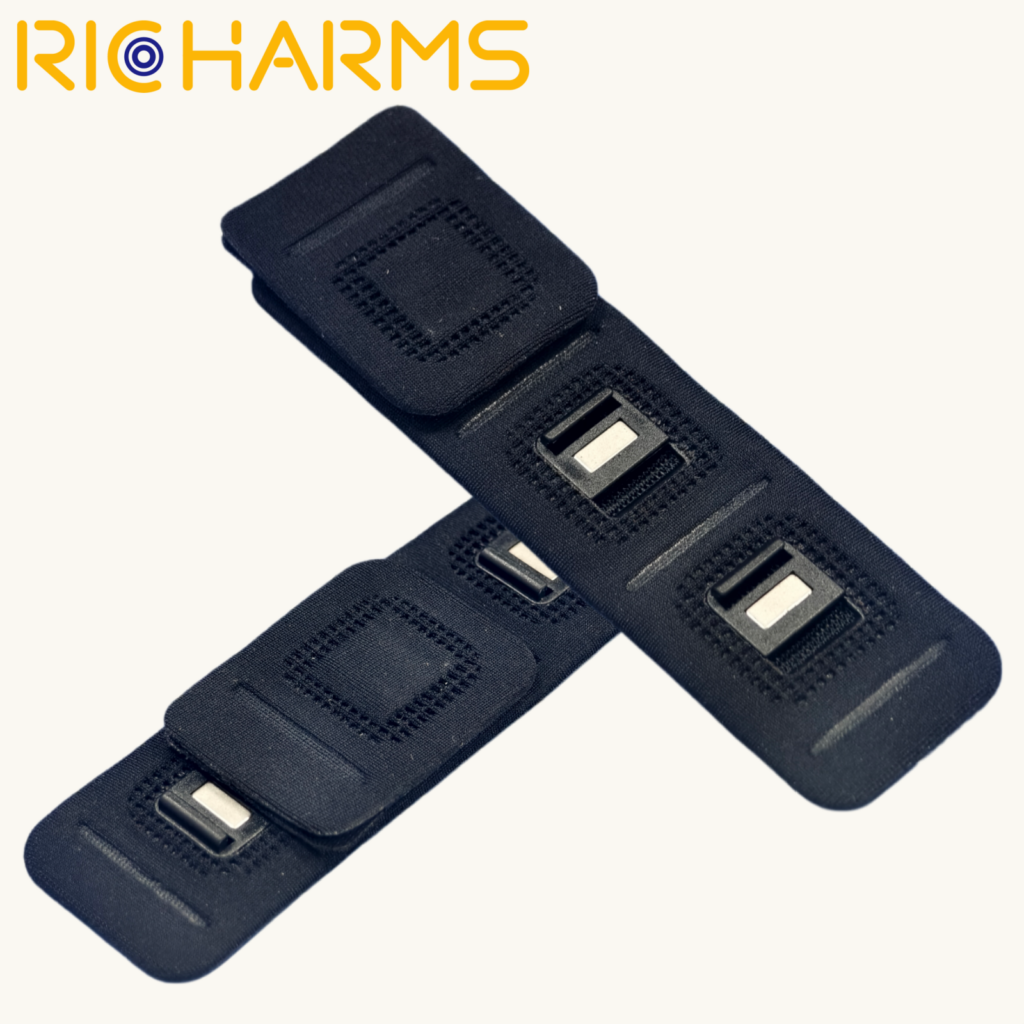
Magnetic bra closure safety checks
Bu FDA explains that magnets in some consumer electronics can interfere with implanted medical devices. Its advice for phones and watches should not be treated as approval for a clasp worn on the chest. Follow the implanted or wearable device manufacturer's instructions and ask the treating clinician before choosing magnetic apparel near the device.
If compatibility is uncertain, choose a nonmagnetic closure while obtaining advice. Do not describe a bra as “pacemaker-safe” solely because its magnets are small. Our magnetic clips versus hooks comparison discusses alternative fastening actions without assuming one is suitable for everyone.
Inspect the clasp and its attachment
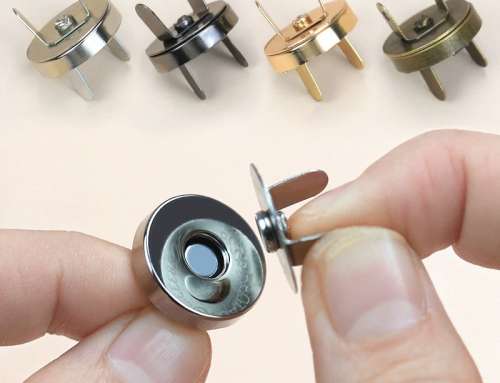
A garment's safety also depends on containment and assembly. Check that the magnet is fully enclosed and that the housing, fabric pocket or attachment cannot readily loosen during use. Look for sharp edges, pinching points and hardware that presses uncomfortably against the body.
Stop using a damaged garment if a magnet becomes exposed, a casing splits or the fixing loosens. Keep loose magnetic components away from children. Suspected magnet ingestion needs urgent medical attention; do not wait for symptoms.
Match retention to the finished garment
A clasp can behave differently under direct pull, sideways force or twisting. Test it in the intended band and fabric construction, with the reinforcement and stitching that will be used in production. A stronger magnet does not automatically solve accidental opening and can make release difficult.
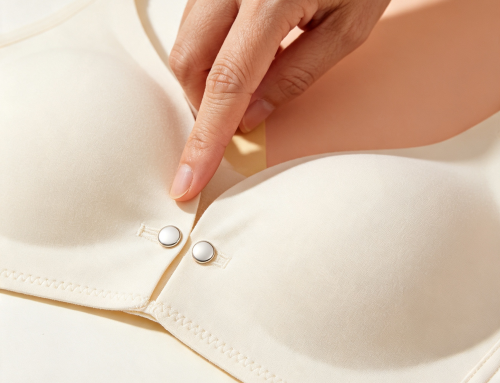
For the design background, read how magnetic lingerie fasteners work. If the product is intended for exercise, recovery or another specific use, assess the finished garment against that use rather than borrowing a claim from an everyday design.
Confirm care instructions
Follow the finished garment's care label. Do not assume that all magnetic closures tolerate the same wash temperature, detergent, tumble drying or repeated bending. After care cycles, inspect the housing, attachment and opening action again.
For a development project, agree with the supplier on the care conditions used during testing. Record visible damage, movement of the component and changes in retention rather than judging only the fabric's appearance.
Questions for buyers and garment brands
- Is the product's intended use clearly stated?
- Are medical-device precautions available?
- Are all magnetic parts securely retained?
- Can the wearer open and close it comfortably?
- Has the complete garment been evaluated under its intended use and care conditions?
- What should the wearer do if the clasp loosens or becomes damaged?
Bu bra clip selection guide turns these questions into a sample brief. Explore Richarms hardware videos for product context and contact Richarms for the specifications of a proposed component. Videos and product listings are not substitutes for garment testing or medical advice.

 Turkish
 English
 French
 Italian
 Portuguese
 Spanish
 Korean
 Japanese
 German
 Dutch