Magnetic fastener lot traceability begins with a practical question: can the delivered parts be connected to the records the buyer needs? A label is useful only when its reference means something in the supplier’s and distributor’s systems.
The following is a requirements guide. It does not claim that every supplier or Richarms product currently offers the same traceability depth. Confirm the available records for the proposed order before making commitments to customers.
Define Lot Identification
Agree which identifier will connect the package to the order and component specification. Clarify whether one shipment can contain multiple production lots and how those lots will be distinguished. Do not assume the shipment date and production lot are interchangeable.
Keep the supplier’s reference when assigning an internal stock code. If material is repacked into smaller quantities, define how the original identification will remain associated with those packs. Otherwise a useful record can be lost during ordinary warehouse handling.
Connect Labels to Inspection Records
Ask which inspection or production records can be retrieved using the proposed identifier. Request an anonymized example where appropriate and confirm what each field represents. A sample document should not be treated as proof that every requested field is routinely available.
Separate proposed requirements from currently available records. If a customer requires a particular retention period or document format, raise that requirement before ordering. Agree the scope in writing rather than assuming that a general promise of traceability covers it.
Handle Mixed or Changed Lots

Separate proposed requirements from currently available records
Define what happens when cartons contain mixed lots or a specification changes. Keep the version information tied to the material that was actually supplied. Do not relabel older stock as a new revision simply because the catalog entry has changed.
If a discrepancy is reported, use the identification to locate relevant stock and records. Avoid claiming a whole delivery is affected until the scope has been established. The value of traceability lies in narrowing a question with reliable information, not adding fields that nobody can retrieve.
Preguntas frecuentes
Is a shipment number always a lot number?
No. Confirm what each identifier represents.
Can repacking break traceability?
Yes, if the connection to the original identification is lost.
Does a sample record prove full capability?
No. Confirm which records are routinely available for the order.
Can new labels change the revision of old stock?
No. Labels must accurately identify the supplied configuration.
Discuss Your Requirements
Send your required label fields and traceability requirements for confirmation.
Contact Richarms for a requirements review.
Related Buying Guides
- Magnetic Fastener Sourcing for Distributors: Qualification and Repeat Supply
- Magnetic Fastener Incoming Inspection: A Distributor’s Checklist
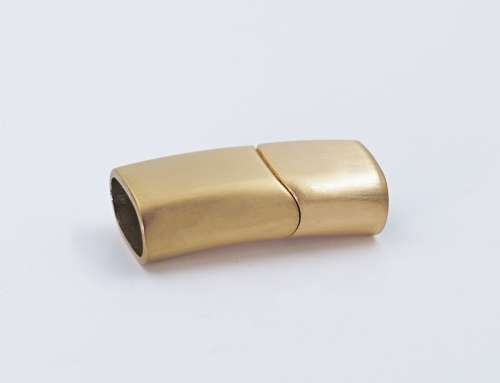
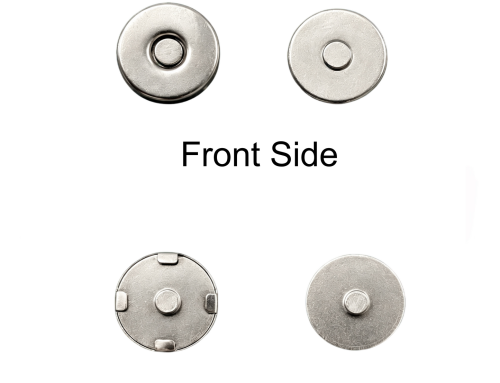
For additional visual product references, visit Richarms product references on Pinterest. Use the agreed drawing and physical sample, rather than social images, for purchasing approval.

 Spanish
 English
 French
 Italian
 Portuguese
 Turkish
 Korean
 Japanese
 German
 Dutch