Some bag, box and sewn-product programmes do not use a visible magnetic snap at all. The magnet is hidden in a flap, a box wall, a covered channel or a sewn pocket, and the closure depends on the magnet, the mating arrangement and the material that covers it. That kind of brief needs two kinds of information: enough design detail to select the magnet, and enough shipment detail to pack the actual goods. The two should not be confused.
The published starting point is the neodymium and hidden magnet resources hub. It asks teams to choose a route: custom neodymium magnets for a defined assembly, or hidden magnets for sewn products. It then connects the application with drawings, sample checks and shipment planning. Several supporting guides on that page are still marked as coming soon, so this article uses only the selection, installation, coating and packing notes the hub already publishes, together with the facts on the live hidden magnets catalogue.
Start with the assembly, not a grade name
The hub’s custom-magnet brief is to specify geometry, magnetisation direction, mating arrangement, operating conditions and quantity. Grades, tolerances and temperature capability must be tied to the selected design. A grade taken from a previous bag or box does not become a specification until those other points are fixed.
The catalogue page describes custom solid neodymium magnets in a range of shapes, including bar magnets, square magnets, donut magnets, magnet balls and other shapes. It also lists a published NdFeB grade series of N30, N33, N35, N38, N40, N42, N45, N48, N50 and N52, and states that a wide size range can be discussed. Those grades and shapes are a stock and custom starting point. They are not a complete matrix, and they should not be used to invent a holding-force or magnetic-field value that the page does not publish.
The same catalogue page notes that rare-earth magnet pieces are supplied in zinc or nickel finish to help prevent the rapid erosion inherent in rare-earth magnetic materials. For severe environments or water exposure, an epoxy-coated option can be supplied. Finish is therefore part of the selection, not an afterthought at packing. If the magnet will be used as a hidden closure in a bag, purse, journal cover or similar article, say so in the brief, because the covering and the mating material affect both the grade discussion and the sample plan.
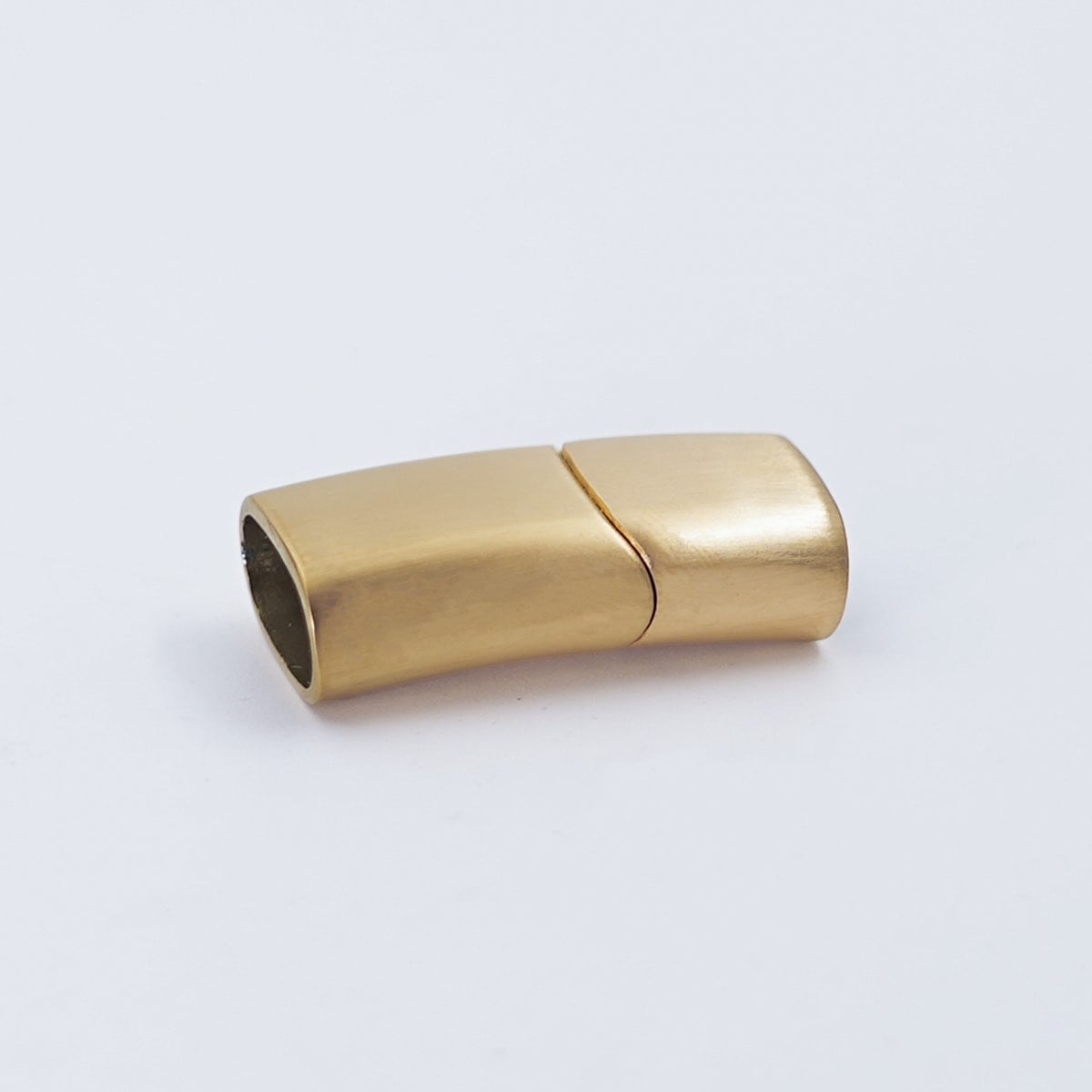
The catalogue also lists other hidden or sewn-product related items, such as tube-style hidden closures and, separately, ferrite block magnets and other magnet forms. If the programme needs a covered neodymium piece, specify that route clearly, rather than mixing a ferrite item, a curtain-weight item or another family into the same line without review.
Review the hidden installation as a complete stack
For hidden installation, the resource hub asks teams to review the complete material stack, magnet positioning, seam allowance and retention method. That is the same discipline used for a snap set point, even though the hardware is different. A magnet that fits a flat swatch may sit too close to a seam, too near an edge, or too far from its mating piece once the bag or box is assembled.
A covered magnet is not automatically washable. The hub is explicit: confirm covering materials and care conditions for the selected assembly. If a bag, garment or other sewn product may be cleaned, that requirement belongs in the sample brief. Do not assume that a sewn pocket, a heat-shrink or tube covering, or a box wrap provides a care performance that has not been tested on the finished article.
Positioning and retention should be approved on a sample that represents production: the same covering, the same seam allowance, the same mating arrangement and the same gap. If the lining, board or reinforcement later changes, repeat the check. Use application samples to agree coating, corrosion exposure and acceptance criteria. Request relevant reports for the selected configuration, and do not transfer one model’s results to a different assembly.
Keep product covering and shipment packing separate
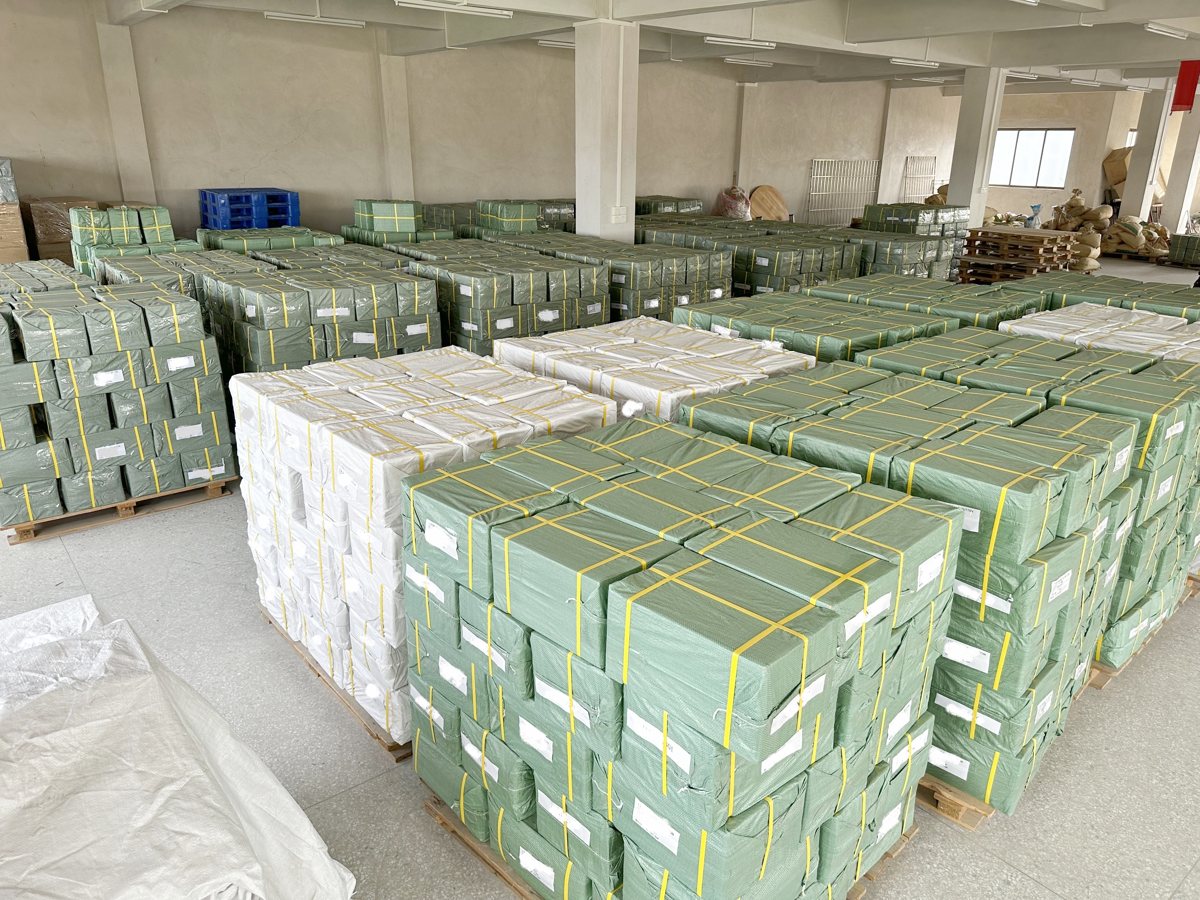
The hub’s packing and shipping note is short and should be followed closely. Identify the actual goods, destination and packing arrangement before confirming documents. Protective covering used inside a sewn product is different from shipment shielding. Confirm requirements for the actual shipment.
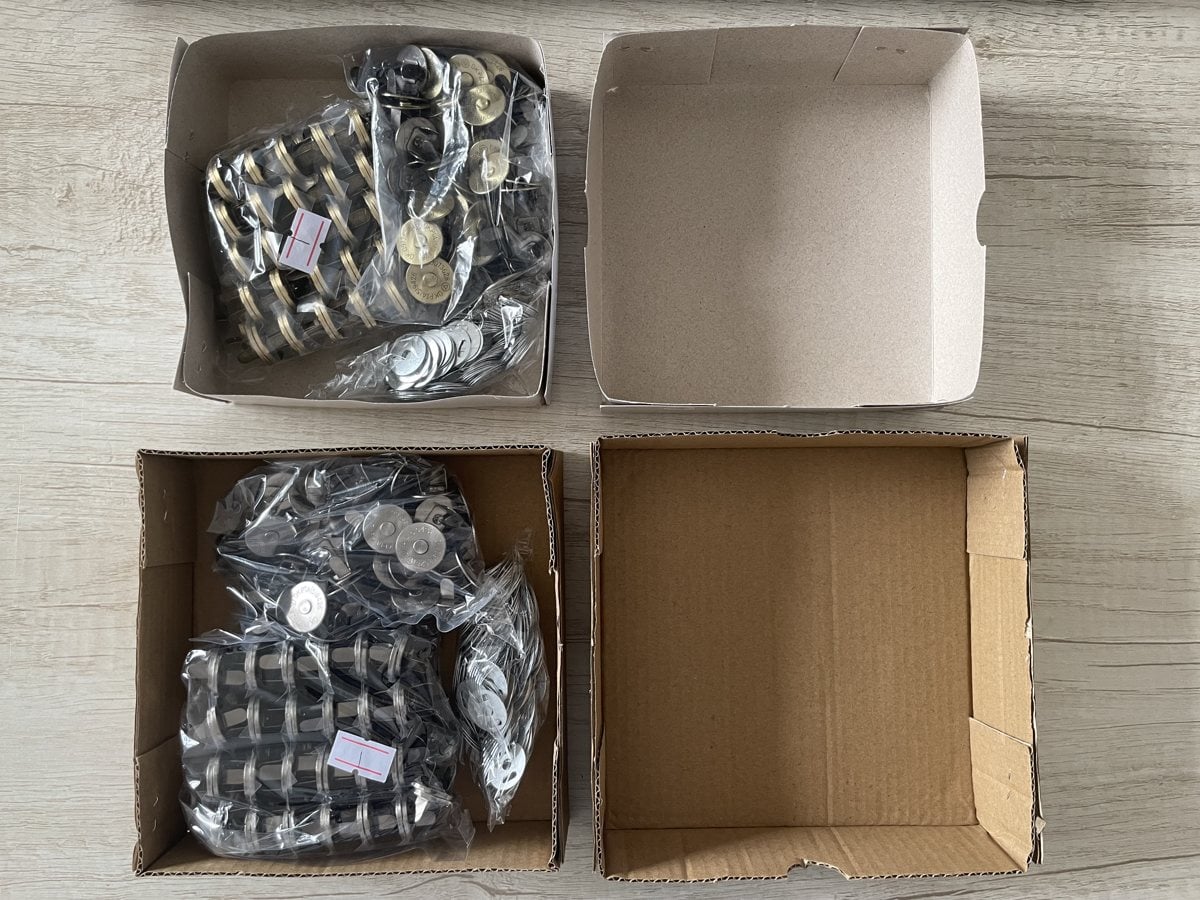
That distinction is easy to miss in a bag or box programme. A magnet may already be wrapped, tubed or sewn into a product for concealment or corrosion protection. That covering is part of the article. It is not, by itself, a statement of how loose magnets, bulk magnets or finished goods will be packed for transport. The packing arrangement for shipment should be confirmed for the actual goods being sent — for example loose magnets, packed sets, or magnets already installed in bags or boxes — and for the destination. Documents should be confirmed after those facts are known, not before.
This article does not add shipping classifications, UN numbers, test methods or magnetic-field values, because those details are not published on the two source pages used here. If a shipment requires specific documents or packing methods, those requirements should be confirmed for the actual order.
A short selection and packing checklist
- State the article: bag, box, sewn product or another defined assembly, and whether the magnet will be hidden in the product.
- Provide geometry, magnetisation direction, mating arrangement, operating conditions and quantity, with a drawing or reference sample where available.
- Tie any grade, tolerance, temperature or coating request to that design, using the published catalogue as a starting point rather than as a finished specification.
- Record the complete material stack, magnet position, seam allowance and retention method.
- Confirm covering materials and care conditions; do not assume that a covered magnet is washable.
- Agree sample checks for fit, mating behaviour, coating and any corrosion exposure, with evidence that relates to this configuration.
- Identify the actual goods to be shipped, the destination, and the packing arrangement for that shipment.
- Keep any protective covering used inside the product separate from shipment shielding in the brief.
- Confirm packing and document requirements for the actual shipment before those documents are finalised.
Send the application, dimensions or drawing, assembly materials, finish requirements, sample quantity and target timing, and add photographs or a physical reference where available. Final selection, covering and packing details should be confirmed before mass production and before shipment documents are issued.
Richarms is a magnetic snaps manufacturer and custom bag hardware factory founded in Foshan, China, in 2003.

 Spanish
 English
 French
 Italian
 Portuguese
 Turkish
 Korean
 Japanese
 German
 Dutch