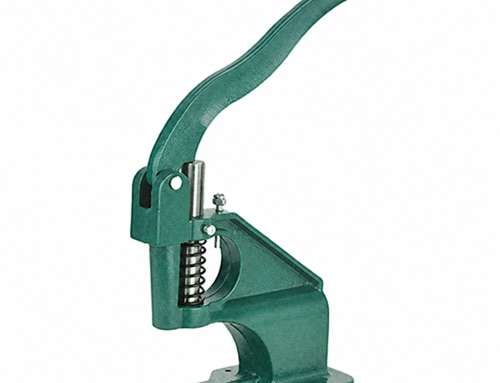
A manual vs electric magnetic snap press decision should begin with the work you need to produce. Batch size matters, but so do model changes, loading access, material variation and the availability of matched dies. Equipment should be assessed as part of an installation process.
This guide focuses on factory purchasing and setup planning. For the broader choice including hand pliers and hammer tools, see the four magnetic snap setting methods.
Define the manual vs electric magnetic snap press comparison
Choose a representative snap model and material assembly for the comparison. Identify the attachment on both halves and the required backing components. Include a difficult-to-reach position if it is part of the intended workload.
List the planned product mix: repeat jobs, sampling, short runs and changes between snap sizes or structures. A demonstration of one flat panel cannot describe every job your factory needs to handle.
Compare the complete workflows
Loading accessReach, workpiece support and clearance through lever travel.ChangeoversDie identification, mounting and first-piece approval.Workstation needsMounting, support and operator space.SupportInstructions, replacement tooling and maintenance guidance.
| Planning question | Manual press review | Electric press review | ||
|---|---|---|---|---|
| Actuation | Lever operation and operator positioning. | |||
| Controls and the machine’s specified activation sequence. | ||||
| Reach, positioning and access around the tooling and safeguards. | ||||
| Die mounting, applicable machine setup and first-piece approval. | ||||
| Mounting, specified power supply and operator space. | ||||
| Instructions, tooling, controls support and maintenance guidance. |
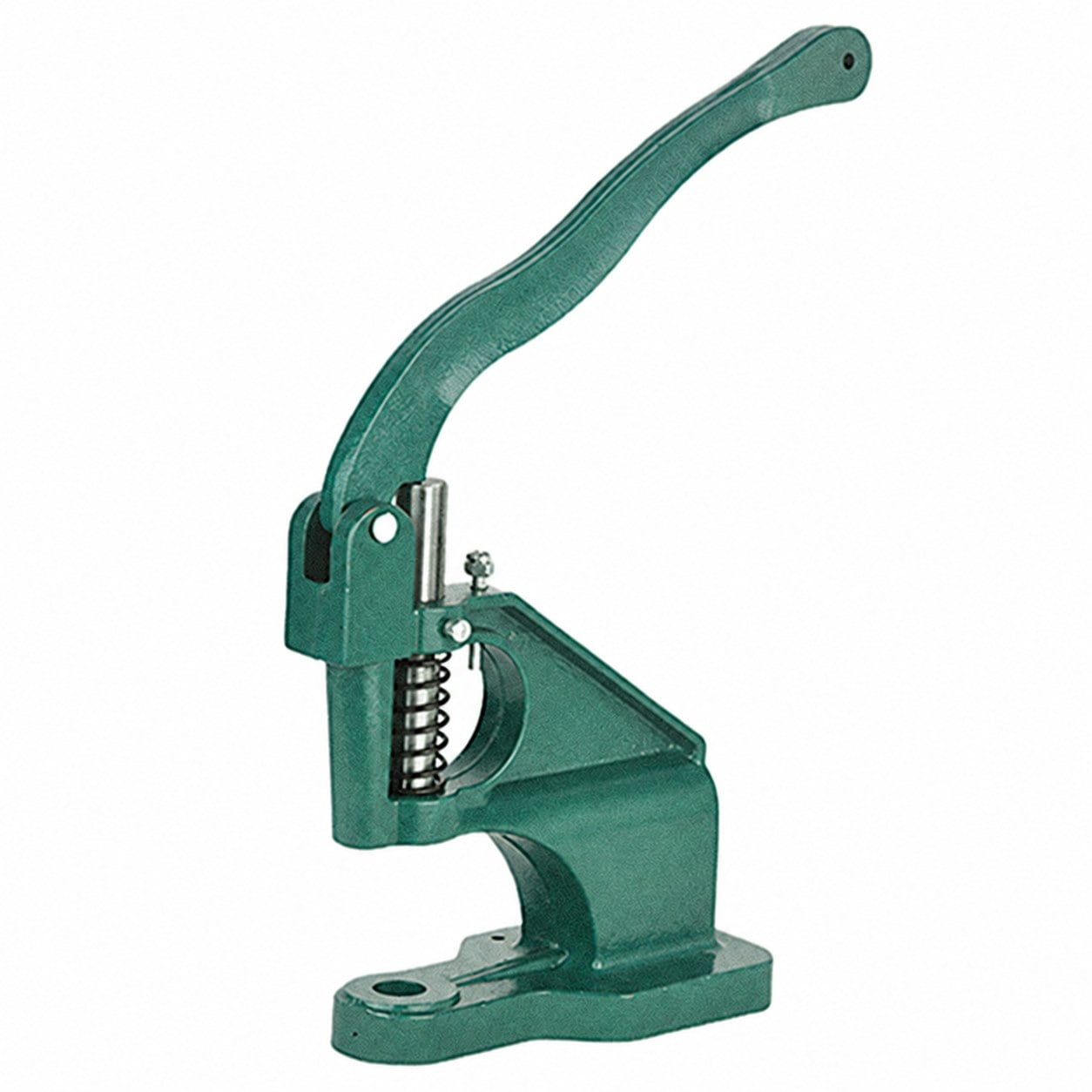
A manual press may fit a particular sampling or production workflow, but suitability must be checked on the assembly. Likewise, powered actuation alone does not establish a higher number of accepted finished pieces for your job.
Use comparable demonstrations
Ask for the same snap, backing parts and material stack on the proposed setups. Observe loading, orientation, setting, unloading and inspection. Include a changeover if frequent model changes are expected.
Keep equipment setup demonstrations separate from snap installation evidence. A video showing a machine assembled or switched on does not prove compatibility with a particular magnetic snap. Two videos using different hardware or materials are not a controlled productivity comparison.
Verify the press-and-die combination
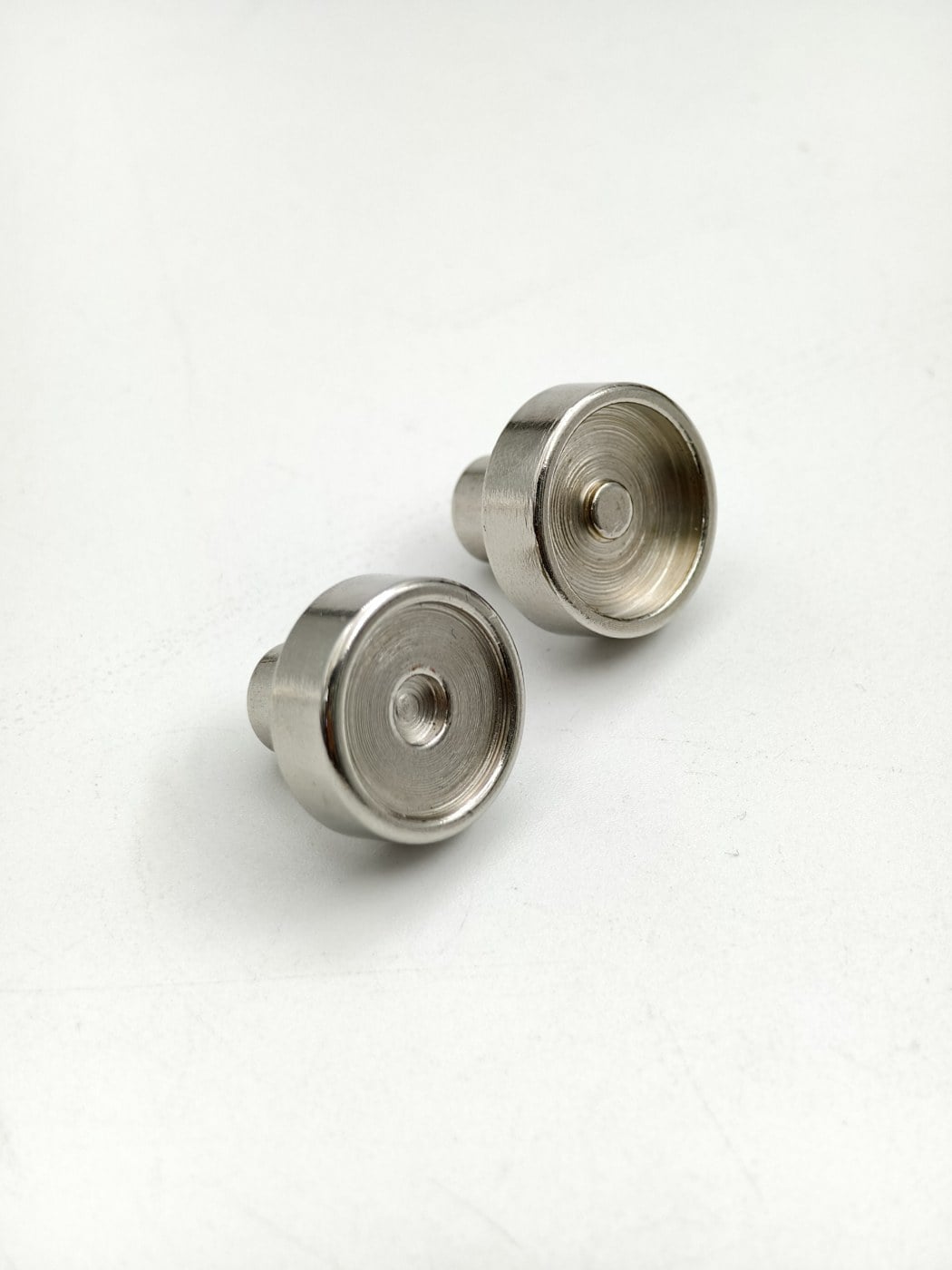
Confirm upper and lower mounts, available travel, working space and die alignment with the supplier. Then verify the die working profiles against the exact snap components. The magnetic snap setting dies guide covers this three-way match.
Use the machine tooling product reference ve Richarms tooling range to describe the intended arrangement. Do not infer cross-brand compatibility from a similar-looking press or a matching thread.
Plan acceptance before purchasing
Agree how the trial assembly will be assessed: appearance on both sides, material condition, attachment security and closure alignment in the finished product. Where performance testing is required, define the buyer’s test method and pass criteria before the trial.
If production rate is part of the purchasing decision, measure your complete process with representative work and record accepted output, handling and interruptions. Do not use an advertised machine cycle alone as the expected finished-product output.
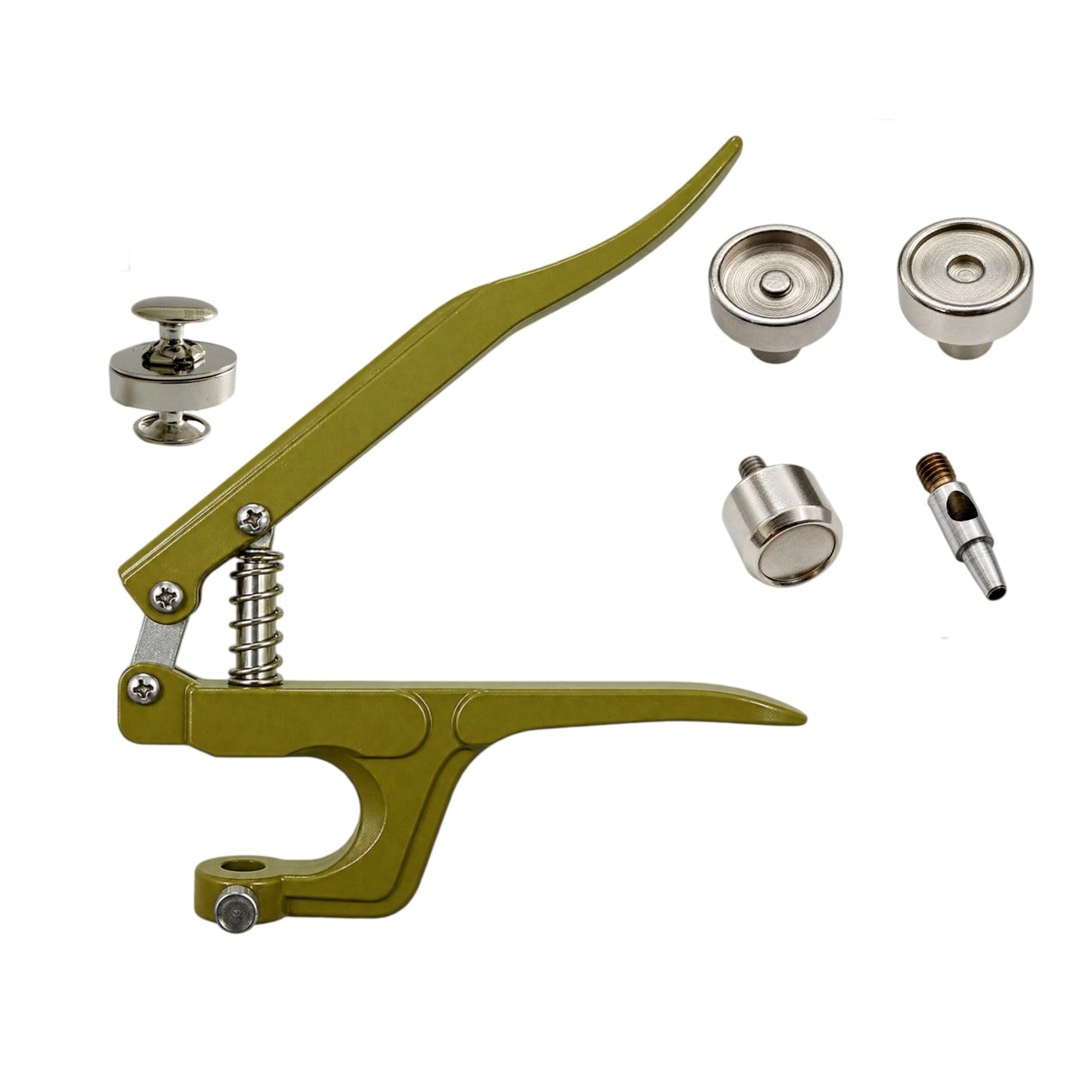
Alternative methods, including hand pliers, may also be worth trialing for a particular access requirement. They need their own confirmed tooling and should not be treated as direct substitutes without a sample check.
Keep support information with the setup
- Press model, instructions and supplier contact.
- Snap models and corresponding upper and lower die identifiers.
- Approved material stack and reference sample.
- Operator training and first-piece approval procedure.
- Replacement die identification and maintenance guidance.
Request a press-and-die setup review with your product mix, workpiece photos and existing equipment details. The magnetic snap installation guide connects the equipment decision to the complete sample approval process.

 Turkish
 English
 French
 Italian
 Portuguese
 Spanish
 Korean
 Japanese
 German
 Dutch